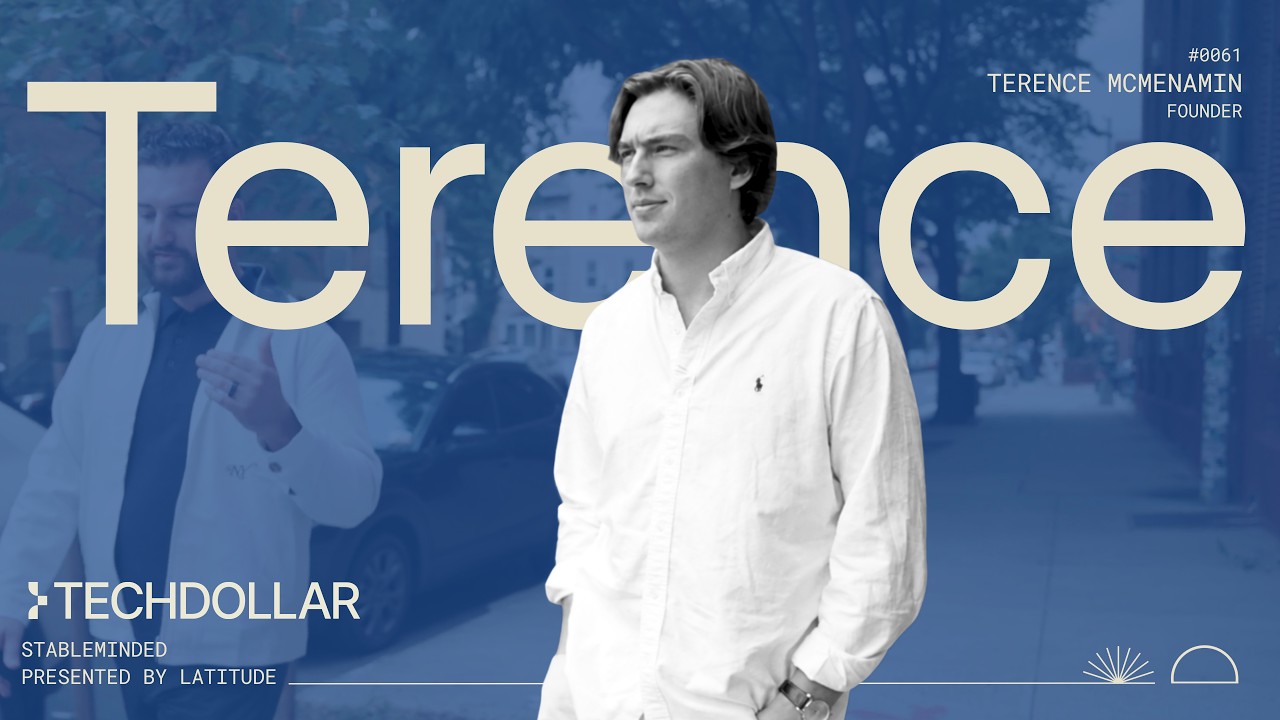
Stableminded · · 51 min
Latin America Has Been Ready for Stablecoins for 20 Years
With 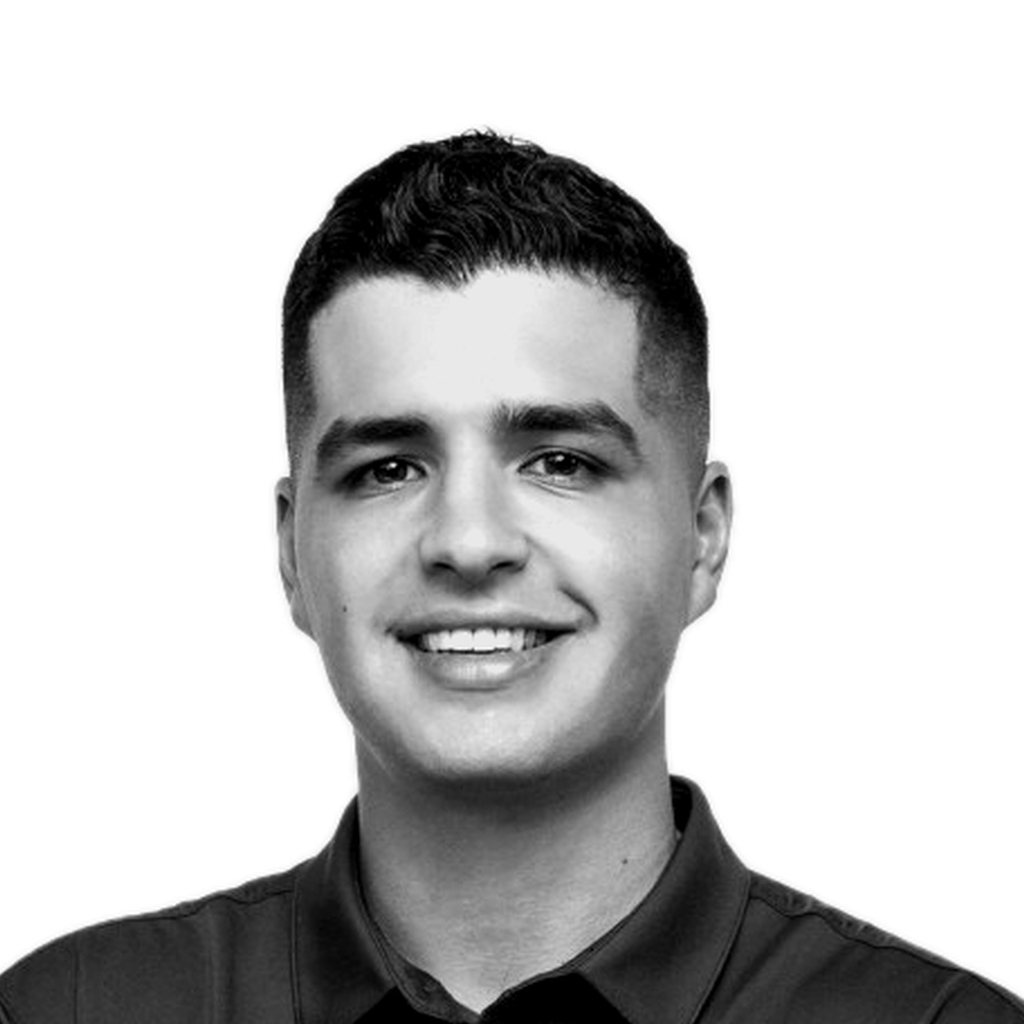 Diego Yanez, Alfred
Key takeaways
Alfred lived on about $400K in Stellar grants and turned profitable before raising investor money, then closed a Series A from F-Prime, Brevan Howard and White Star Capital.
Yanez says more than 60% of Alfred's flow is now cross-border payments, a shift that took place over the last eight months.
Alfred revealed ARSA, a tokenized Argentine peso, though Yanez says the company does not want to be a stablecoin issuer.
Watch the episode

0:00Preview of themes and a Venezuelan founder's path to Miami1 of 12
Summary
Founder Diego Yanez describes how a family-run stablecoin payments company moved from a consumer wallet to regional B2B infrastructure, with Western Union as a partner.
Alfred, a stablecoin payments company working across Latin America, got through its early years on about $400K in grants from Stellar, founder Diego Yanez said in an interview. He says the company had to turn profitable before raising a penny from investors, and it later raised a Series A in October backed by F-Prime, Brevan Howard and White Star Capital.
From wallet to infrastructure
Alfred started as a non-custodial wallet using USDC to send remittances into Latin America, modeled on Cash App. Yanez says the team spent so much time on the pipes and infrastructure that it pivoted to B2B stablecoin payments infrastructure in 2023. The name comes from Batman: the company wants its fintech and merchant customers to be Batman while it works on the back end.
Its biggest early customer was Worldcoin, introduced by Circle Ventures, which first turned down an investment and later became an investor. Yanez says Worldcoin ran two to three million unique transactions on the platform.
“This is not just money movement. This is a business of trust.”
Diego YanezWestern Union and cross-border growth
Alfred signed with Western Union at the end of last year and is part of its digital asset network across LATAM. Yanez cites the Western Union CEO saying the company holds north of $2 billion in treasury, capital he says it can put to work by settling via stablecoins.
Over the last eight plus months, Yanez says, Alfred has become a cross-border payments company, with north of 60% of its flow cross-border. He credits regulation and more serious players, including banks and multinationals, using the technology as a settlement layer.
Local currencies and ARSA
Alfred operates as a regulated PSP in Mexico, Brazil, Argentina and Colombia, and holds a PSAV license in Argentina. It disclosed ARSA, a tokenized Argentine peso it began building in 2021. Yanez says customers need local balances, but the company does not want to be an issuer and is looking at a partnership with EtherFuse. He believes agents will execute payments and will need tokenized local currencies to exchange value in the region.
A family business
Yanez's father is GM of Mexico and, he says, drives about 60% of Alfred's revenue. His mother is head of treasury, and cousins handle business operations.
Yanez argues Latin America has had product-market fit for stablecoins for 20 plus years, pointing to dollarized economies like Venezuela and Argentina. In his account, Alfred has built on that demand by staying lean and building regulated local operations, in a business he describes as one of trust, not just money movement.


Western Union, Etherfuse, Worldcoin, and Altitude come up most.
- People
- Anna
- Diego Yanez
- Drew Rogers
- Ernesto
- Isaac Saldana
- Companies
- Alfred
- Western Union
- Etherfuse
- Worldcoin
- Altitude
- Moneygram
- Cash App
- Bitso
- Trace Finance
- Circle
- Felix
- Rain
- Avenida
- Circle Ventures
- Transferral
- White Star Capital
- CAS
- Coinbase
- Lemon Cash
- Mento Labs
- SafePal
- Stable Studios
- Uber
- Venmo
- Brevan Howard
- F-Prime
- Stellar Development Foundation
- Biget Wallet
- Consensys
- D Local
- RedotPay