Stableminded · · 57 min
$43M Raised to Settle Stablecoins into Local Currencies Across 50 Countries
With 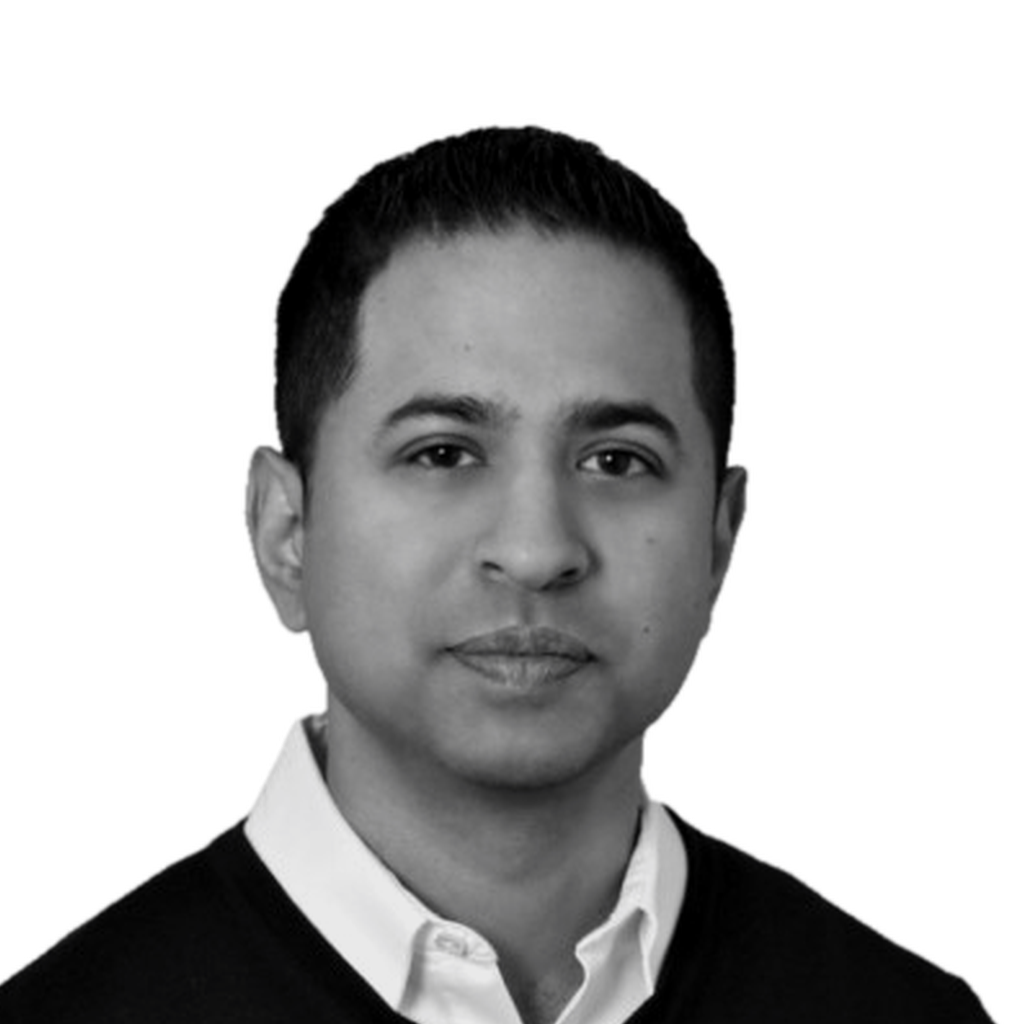 Cyril Mathew, Latitude
Key takeaways
Latitude closed a $35M Series A led by Oak HC/FT, following an $8M seed led by NEA, for $43M raised in total.
Cyril Mathew says a Stripe pilot of USDC payouts to 100-plus countries was hardly used because recipients had no way to spend USDC locally.
Latitude targets 30-plus currencies by mid-2027, maybe up to 50 for off-ramps, and wants to sit in enterprises' core payment flows.
Watch the episode

0:00Latitude closes $35M Series A, bringing total raised to $43M1 of 11
Summary
Cyril Mathew says a failed USDC payout pilot at Stripe showed him that stablecoins only work if recipients can get local currency, and Latitude is built to fix that.
Latitude, a stablecoin settlement network, closed a $35M Series A led by Oak HC/FT, bringing its total raised to $43M, co-founder and CEO Cyril Mathew says. The company says it converts stablecoin payments into local currency across 50 countries in under two minutes.
The pilot that failed
At Stripe, Cyril Mathew ran a pilot to send USDC payouts to 100-plus countries. "When we launched the product, it hardly was used," he says, because recipients in places like Vietnam, Ghana and Colombia needed local money for groceries. He says he does not have the thesis that a US dollar stablecoin will be used by everyone, so stablecoins must move in and out of local currencies.
The idea draws on his earlier work. At Uber he paid drivers across 40 countries from a Dutch entity. At Coinbase he says he felt USDC had not taken off when he left, with a market cap of a few million against Tether in the hundreds of millions.
“The only thing stopping us from succeeding is our execution ability.”
Cyril MathewFunding and licenses
Latitude launched in January 2025 with an $8M round led by NEA, with Lightspeed Faction, Coinbase Ventures, Paxos and Solana also backing it. Mathew says the Series A took about three to four weeks end to end and was not a revenue story yet. He says the company holds about 45 state approvals, which he calls pretty record time in a year and a half.
A network of networks
Latitude works with banks, exchanges and payment aggregators, with partners including OpenFX and DLocal, and routes each payment to whoever has the best liquidity. Customers onboard through a single API. Mathew says the fiat payouts product covers almost 20 currencies, with on and off ramps building up to 10, while traditional rates in emerging markets can reach 3% or 4%.
He says large markets such as Indonesia, Thailand, Pakistan and Bangladesh still lack that infrastructure, and plans to use an Uber launcher mentality to find forward-thinking bank partners there.
By mid-2027 Cyril Mathew wants to be live in 30-plus currencies, maybe up to 50 for off-ramps, and to move enterprises past stablecoin pilots that he says stay under half a percent of their flows. In his words, the only thing stopping the company is its execution ability.




Coinbase, Uber, Stripe, and Circle come up most.
- People
- Cyril Mathew
- Brian Armstrong
- John Collison
- Vivek Morzaria
- Anurag Aladi
- Brian Brooks
- Chad
- Drew Rogers
- Jesse Pollock
- Kai Sheffield
- Matt Ziegler
- Rick Yang
- Vishal Gupta
- Will Gabreth
- Zach Fowler
- Companies
- Coinbase
- Uber
- Stripe
- Latitude
- Circle
- Visa Inc
- Tether
- Paxos Labs
- Bridge
- Solana Foundation
- Wise
- OpenFX
- Binance
- Turnkey
- Lightspeed Faction
- NEA
- ZeroHash
- BlockFi
- BVNK
- FTX
- Kraken
- Lyft
- Morse
- Rain
- Stripe Connect
- Bits of Gold
- Coinbase Ventures
- Aave
- Airbnb
- Alchemy
- Bitso
- Braintree
- Clearbank
- Compound
- Flutterwave
- Mastercard
- MoonPay
- PayPal
- Plaid
- Privy
- Sling Money
- True Markets
- Zelle
- Zencastr
- D Local
- Oak HC/FT
- BNY Mellon
- Libra/Diem
- VeloCFO
- Yellow Card
Ask AI about this conversation

Global payments, rebuilt from scratch. Connects stablecoin rails to local fiat through the Latitude Settlement Network, with global fiat payouts and on/off ramps behind a single API.