Stableminded · · 33 min
Building Dollar Access Across 20 African Countries on Stablecoin Rails
With 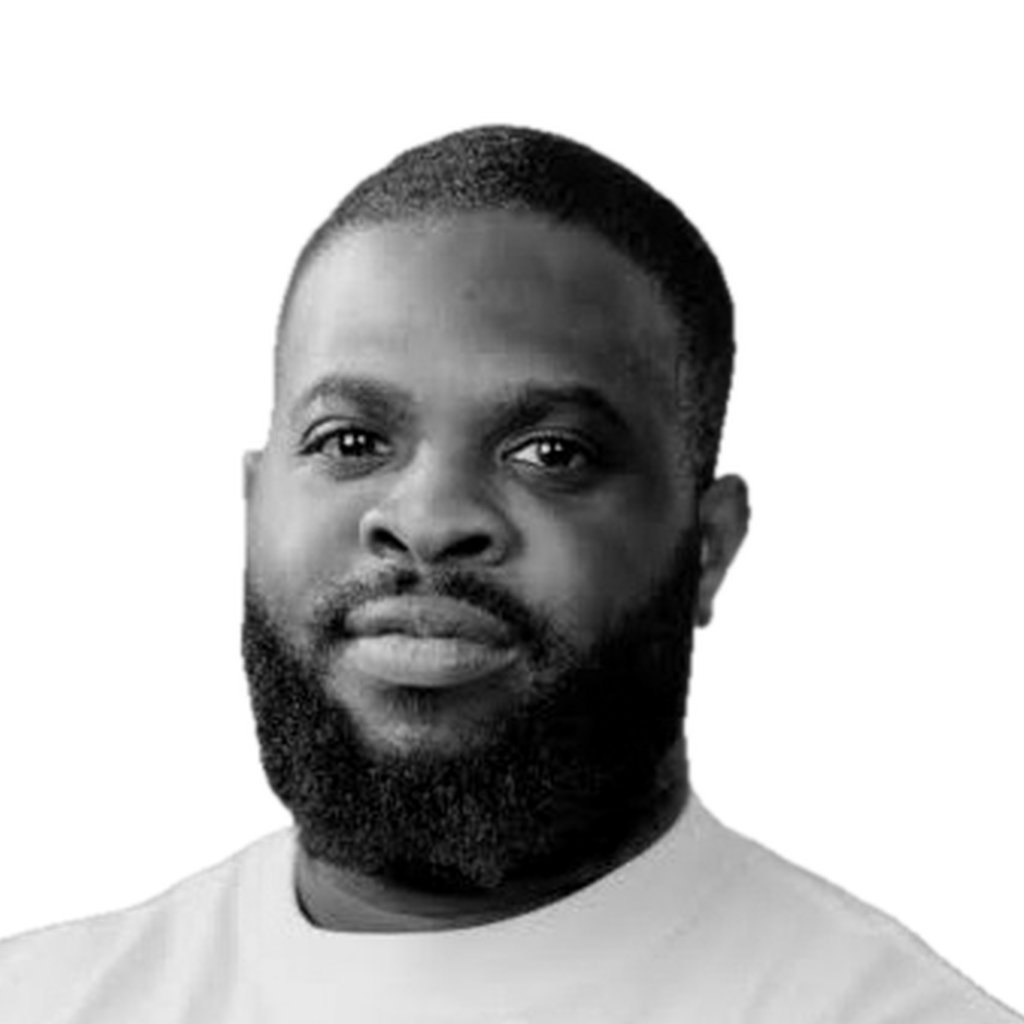 Cairon Clarke, Zynta
Key takeaways
Cairon Clarke says Zynta is very close to closing a fundraise, which it plans to announce once it is done.
Zynta has processed over $300M in stablecoin transactions with 100+ enterprises and builds regulated off-ramps across 20 African countries.
Cairon Clarke argues that regulatory moats last 12 to 24, maybe 36 months, now that AI has worn down software advantages.
Watch the episode

0:00Dollar access and African off-ramps are the hard opportunity1 of 9
Summary
Co-founder Cairon Clarke says regulation and relationships, not software, are what will protect a business that turns dollars into African currencies.
Zynta, which builds regulated stablecoin off-ramps that settle dollars into local currencies across 20 African countries, is very close to closing a fundraise, co-founder Cairon Clarke said. Since it was founded in 2024, the company has processed over $300M in stablecoin transactions with 100+ enterprises.
A $300,000 pivot
Cairon Clarke built backend infrastructure for JPMorgan, Barclays and UBS before moving into crypto. His first ramp served retail users. Then a business needed to move $300,000 from Nigeria to the UK. Clarke says that one stablecoin transaction earned more in fees than the previous four or five months of micro transactions, so Zynta pivoted to businesses.
“And that's why we're building for that. We have strong payment regulated infrastructure in 20 African countries because if you do hard things well, there's huge opportunity.”
Cairon ClarkeThe dollar access problem
Clarke says many African banking systems hold only local currency. He recalls asking a Nigerian bank to remit dollars from his account and being told to wait three, four days. In his view Africa skipped landlines and robust banking and went straight to mobile money, and stablecoins have accelerated dollarization. That puts governments in a balancing act, because they still want taxes paid in local currency. He says USD stablecoins take up 99.6% of global volume, while the Nigerian naira stablecoin cNGN does not have much volume.
Licenses and bank partners
Zynta is licensed in Canada and is part of the first Nigerian cohort under the new regulation. Clarke says it is about to get licenses in Liberia and Senegal and has applied to sandboxes in Ghana and Zambia. It works with banks including UBA and Wema Bank, and over time it plans to own its own bank so it can capture deposits and manage liquidity.
The company also set up the African Virtual Assets Forum to drive stablecoin adoption and regulation. Its first event will be in Senegal, sponsored by Tether USDt issuer Tether and Solana Foundation.
Product and expansion
Naira APIs are live, cedi support is in testing, and XOF and XAF are coming. Clarke says large banks in Mexico and Colombia are looking to integrate with Zynta, and the plan is to build regulated infrastructure in 20 African countries before moving to other emerging markets.
Clarke expects payment firms to eat into traditional bank fees, an opportunity he puts at 10, 20, 30x upside. He is betting that licenses and bank relationships, not technology, will hold that position for Zynta.



Altitude, Barclays, UBS, and Tether come up most.
- People
- Cairon Clarke
- Drew Rogers
- Companies
- Zynta
- Altitude
- Barclays
- UBS
- Tether
- African Virtual Assets Forum
- Central Bank of Nigeria
- Nigerian Revenue Service
- Providence Bank
- Solana Foundation
- UBA
- Wema Bank
- Circle
- EFG Private Bank
- FCA
- IFDS
- Investec
- Morgan Stanley
- Pudgy Penguins
- Super Team UK
- Virgin Media
- Vodafone
- JPMorgan