Stableminded · · 62 min
From Visa and Circle to Cross-Border Stablecoin Payments for Banks
With 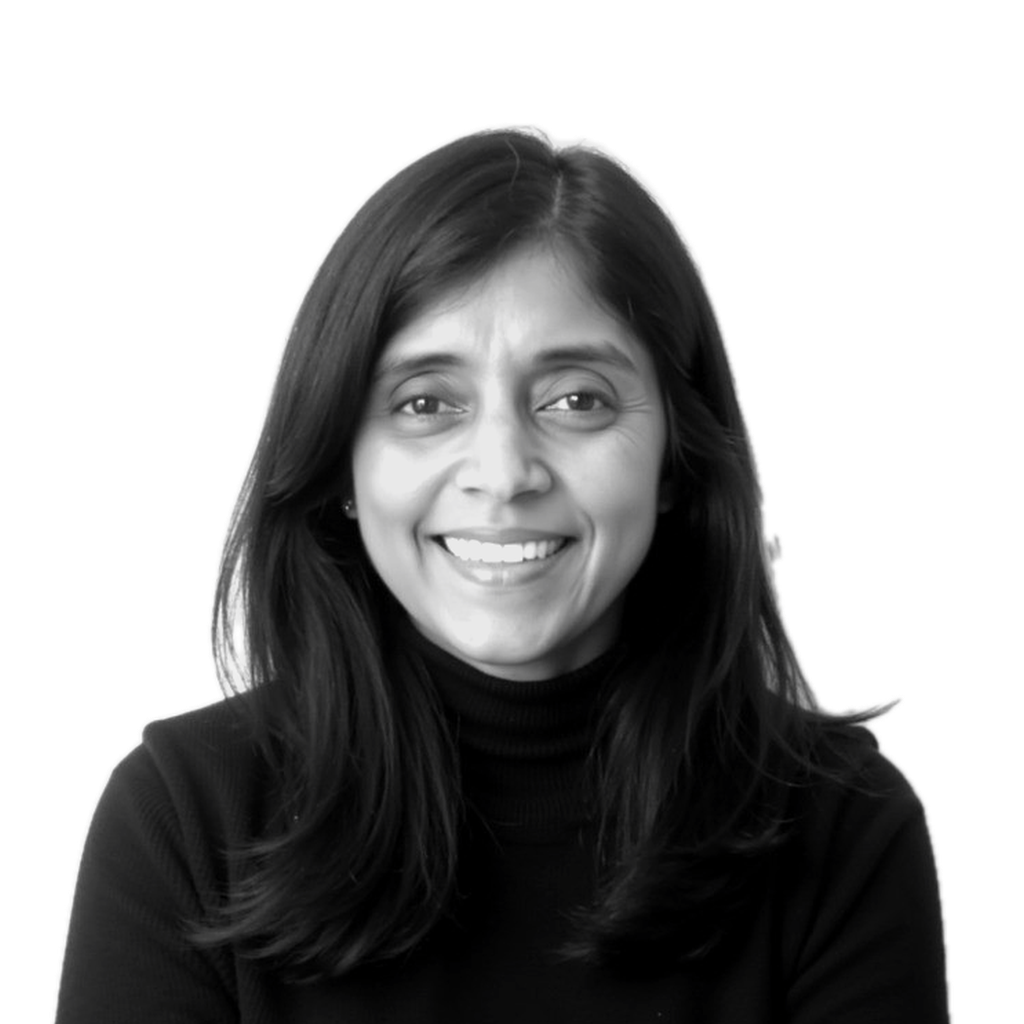 Geetha Panchapakesan, Tesser
Key takeaways
Geetha Panchapakesan says Visa's stablecoin settlement grew from a few hundred thousand dollars in her time at Circle to a reported $10 billion run rate.
She says large PSPs went from dismissive to adopting stablecoins in six to eight months, and one now settles 6% of its cross-border payments in them.
Tesser is building a payments processor that gives regulated institutions stablecoin infrastructure without entering the flow of funds.
Watch the episode

Summary
Geetha Panchapakesan, who worked on the Visa-Circle USDC deal, says cross-border payments are where stablecoins fit today, and she is building Tesser to give banks and PSPs the infrastructure.
Geetha Panchapakesan, founder of Tesser, says the stablecoin settlement program she worked on between Visa and Circle has grown from barely a few hundred thousand dollars to what she has read is a $10 billion run rate. She now runs a startup that aims to give traditional financial institutions the tools to offer stablecoin-based payments.
The Visa-Circle deal
Geetha Panchapakesan moved from Visa to Circle in 2021, hired in part to push into TradFi. The deal she worked on had Visa open an account with Circle and settle stablecoins between issuers and acquirers. Earlier, at Visa Direct, she had represented Visa Ventures on the US Faster Payments Council.
She says Visa requires stablecoins received in settlement to be converted back to fiat before 5pm because it does not want to hold them overnight, and that Visa has since expanded to weekend settlement, which she calls a big deal for the company.
“I talked to Remitly. They literally laughed me out of the room. They were like, I don't know. Like, what is the what is the point really?”
Geetha PanchapakesanFrom laughter to adoption
About eight months ago, she says, Remitly laughed her out of the room. Now a very large PSP that was once skeptical told her it settles 6% of its cross-border payments with partners in stablecoins. She believes adoption is at the beginning of the hockey stick and expects that a year from now most banks and PSPs will be involved in some way.
Rails, not wallets
Geetha Panchapakesan predicts stablecoins will be back-end rails rather than something people hold and pay with, and that cards and the networks will coexist with them. She sees product-market fit in cross-border payments, not domestic banking, and recommends institutions start with one corridor.
She also argues emerging market banks should become stablecoin-to-fiat conversion hubs, calling it a whole new business model, and says US community banks are losing deposits to providers like Coinbase, with research showing it happening at 100x the rate in emerging markets.
What Tesser sells
Tesser provides wallets, cross-chain swapping, gas and treasury management, compliance and reconciliation, and partners with wallet providers, custodians and networks such as Borderless and CPN. She says not all of the world's 45,000 banks and PSPs will build this themselves.
Geetha Panchapakesan is betting that institutions moving money across borders will want stablecoin rails without building the stack themselves. As evidence that the shift has already started, she points to the PSPs that turned from skeptics into users.




Moneygram, Circle, Coinbase, and Mastercard come up most.
- People
- Geetha Panchapakesan
- Dana Weinstein
- Drew Rogers
- Kai Sheffield
- Marvin Arnold
- Companies
- Moneygram
- Circle
- Coinbase
- Mastercard
- Rain
- Altitude
- PayPal
- Remitly
- Borderless
- Earthport
- Robinhood
- Tesser
- Banco Azteca
- Bancolombia
- Bridge
- Coinpro
- CPN
- crypto.com
- Earnin
- Fiserv
- Omnia
- Payoneer
- StableCore
- Worldpay
- Visa Ventures
- Anchorage Digital
- BVNK
- Marqeta
- US Faster Payments Council
- Wenia
- NPCI
- Pfizer
- Safaricom
- TerraPay
- Thunes
- Wise
Ask AI about this conversation

Tesser
Tesser empowers traditional financial institutions to move money faster and cheaper on modern stablecoin rails.