Key takeaways
Sebastian Marshall says Portola is in negotiations with three of the five top US consumer lenders to decide which one it will work with.
Portola bundles many small wallet partners into one channel that he says is big enough for large lenders to act on, and it splits net interest revenue after losses with those partners.
Sebastian Marshall argues that credit has to stay local because a loan is only worth what its legal enforcement is worth, even when the wallet apps carrying it are global.
Watch the episode

0:00Portola grew out of PIMCO structured credit and Figure1 of 12
Summary
Portola's CEO says pooling many small neobanks into one lending channel can bring large US lenders into stablecoin wallets that have no credit today.
Portola, which builds embedded credit for stablecoin wallets and neobanks, is in negotiations with three of the five top US consumer lenders, co-founder and CEO Sebastian Marshall says. The talks are meant to decide who we really wanna work with, as he puts it.
From PIMCO to wallets
Sebastian Marshall traded structured credit at PIMCO after Berkeley. He says Figure's work tokenizing loans inspired him. He describes a market that still runs on manual steps: he would put up $500,000,000 of bonds for sale by email and ask for bids within two hours. He argues that structured credit desks have no incentive to reduce friction, because more friction means a wider spread.
He says moving a loan asset takes nine to ten weeks of diligence, and lenders' C-suites ask why they should be the first to tokenize. So Portola begins with wallets, which he calls the new primitive, where few connections to traditional lenders exist.
“The only thing that makes a loan worth anything is the idea that that that promise is actually legally upheld. You can't abstract this away to technology. It has to be locally enforceable. You have to report to the local credit bureau. You need the local data provider. You need collections efforts in the country localized in the language.”
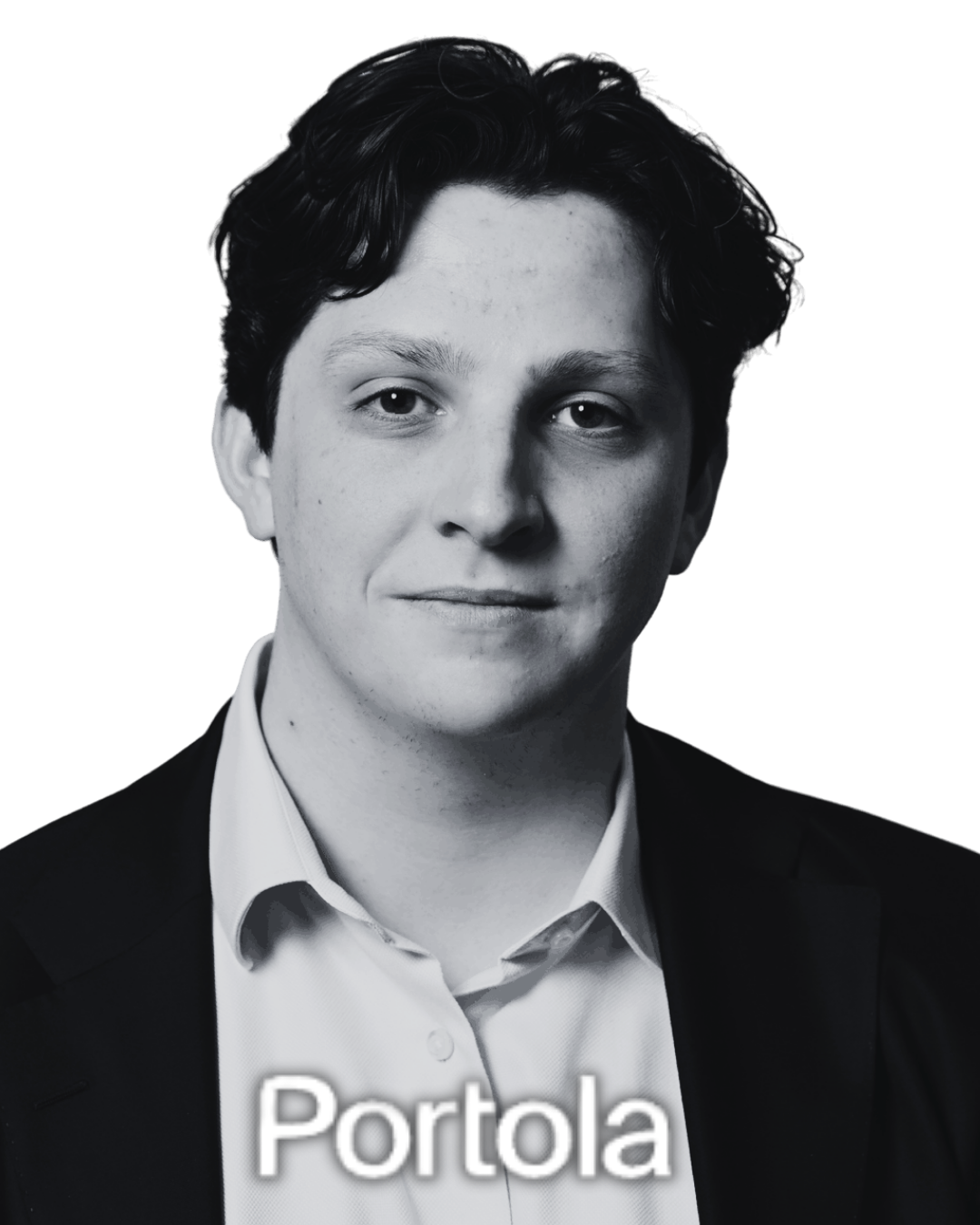 Sebastian Marshall
Global apps, local credit
Sebastian Marshall says wallet apps are global first but credit is local. A loan needs local enforcement, reporting to the local credit bureau, local data providers and collections run in the local language. He calls credit one of the stickiest products a wallet can add, because borrowers come back to repay. Earned wage users, he says, tend to borrow again every pay cycle.
Speed and data
He says a lending institution needs six to nine months of lift to stand something up, and few incumbents are comfortable with stablecoins. Portola can move quickly into new jurisdictions, he says, and wallet data lets it build models meaningfully better than starting from square one. Instead of a referral fee, it shares the net return on the book with partners.
Markets and plumbing
Portola expects LATAM and Asia to take off first. Sebastian Marshall describes a super cycle of dollarization there and says self-custody wallets stop banks from acting as choke points. He calls US customers well served by credit today, but he says credit inside US neobanks is inevitable as they mature. On the technical side, repayments go to a router and then through smart contract waterfalls on EVM chains, where everybody sees what's going on. He contrasts this with the opaque ABS structures he worked with.
Sebastian Marshall pitches Portola as the credit layer that wallets lack, combining many small partners into one channel for large lenders. He expects a rush to the product once partners go live.



Portola, Figure, Provenance, and PIMCO come up most.
- People
- Sebastian Marshall
- Brian Armstrong
- Dan
- Dave
- Ferdinand
- Hunter
- MJ
- Tarab
- Terrence
- Companies
- Portola
- Figure
- Provenance
- PIMCO
- Kashy
- Monad
- OnePay
- IMF
- World Bank
- Coinbase
- Dakota
- Etherfuse
- Goldman Sachs
- Infini
- JPMorgan
- MetaMask
- Modern Treasury
- Moneygram
- Phantom
- Rakwa
- Sero
- Tech Dollar
- Tradeweb
- Augustus Bank
- Bank for International Settlements
- Deel
- Dfns
- Gusto
- Rippling


