Neo · · 23 min
Bank Deposits Go Onchain: How a Full-Reserve Dollar Differs From a Stablecoin
With 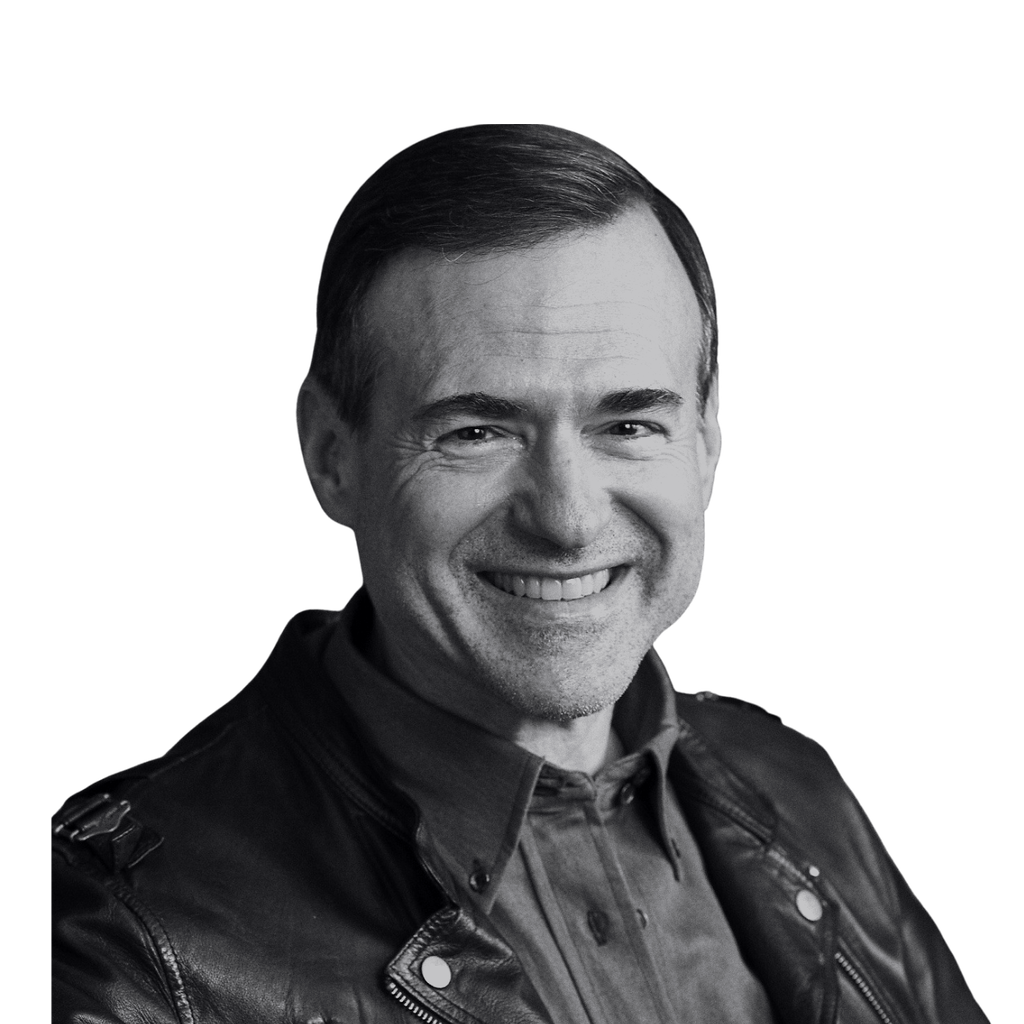 Scott Shay, N3XT
Key takeaways
Scott Shay, who says he founded four banks including Signature Bank, describes NeXT as a full reserve bank holding only US dollar deposits and very short-term Treasury obligations.
NeXT has announced, and is awaiting final approval for, a plan to let clean-listed wallets transact its US dollars on the Ethereum chain.
Scott Shay says 95% of Tether USDt and USDC transactions are within four hops of a sanctioned person or country, and argues his bank is safer because every user is clean listed.
Watch the episode

Summary
The Signature Bank and Signet founder says his new bank backs every dollar with short-term Treasuries and will let clean-listed wallets move real dollars on Ethereum.
Scott Shay, who says he founded four banks and is best known for Signature Bank and its Signet payment system, told Stabledash Live that his new bank, NeXT, is a full reserve bank. He says it holds only US dollar deposits on one side and direct Treasury obligations of about one month on the other.
The Signet record
Scott Shay says Signature Bank was the first crypto-friendly bank, alongside Silvergate, and that he created the first 24 by seven blockchain-enabled money transfer system. By the end of 2022, he says, Signet had transferred over a trillion dollars. He says the US government started in December to kill crypto and that the bank was killed in March 2023, "unjustly, wrongly, unnecessarily."
Host Zach Fowler, who says he was at Coinbase when he first learned of Signature Bank's role with USDC, called the closure a rug pull for the industry and described the bank as "a structural fundamental player."
“We move a dollar immutably. We don't do it with, as he said, you know, without some other aspects, but we move it immutably. Fractional bank does not ever move a dollar immutably. It's it's debits and credits all the way down.”
Scott ShayHow full reserve works
Scott Shay says NeXT keeps its holdings in a T plus zero environment with custodial receipts, so there is no distance between a dollar deposit and the Treasuries backing it. He contrasts this with fractional banks, where customers move "a promise to pay" and FDIC insurance covers up to $250,000. At Signet, he says, some clients had 250,000,000 on the system.
He says NeXT moves a dollar immutably, while a fractional bank is "debits and credits all the way down," and he believes it is much safer than any fractional bank.
Taking on stablecoins
Scott Shay says NeXT's tokenized deposits have the functionality of a stablecoin without a bid-ask spread. He says that under IFRS, treasurers outside the US treat stablecoins as an intangible asset, while deposits at his bank count as cash. He cites figures that 95% of Tether USDt and USDC transactions are within four hops of sanctioned parties, and 70% within three.
Scott Shay is presenting NeXT as the next step after Signet: a dollar that always stays a dollar, moves on chain only between clean-listed wallets, and depends on final approval before it can leave the bank's walls.

FDIC, NeXT, Signature Bank, and Coinbase come up most.
- People
- Scott Shay
- Zach Fowler
- Aurel Bennell
- Drew Rogers
- Jeffrey Wallace
- Kyle O'Donnell
- Bob Perro
- Dave Watson
- Don Berman
- Companies
- FDIC
- NeXT
- Signature Bank
- Coinbase
- Circle
- Merrick Bank
- Silvergate
- Galaxy Digital
- United Texas Bank