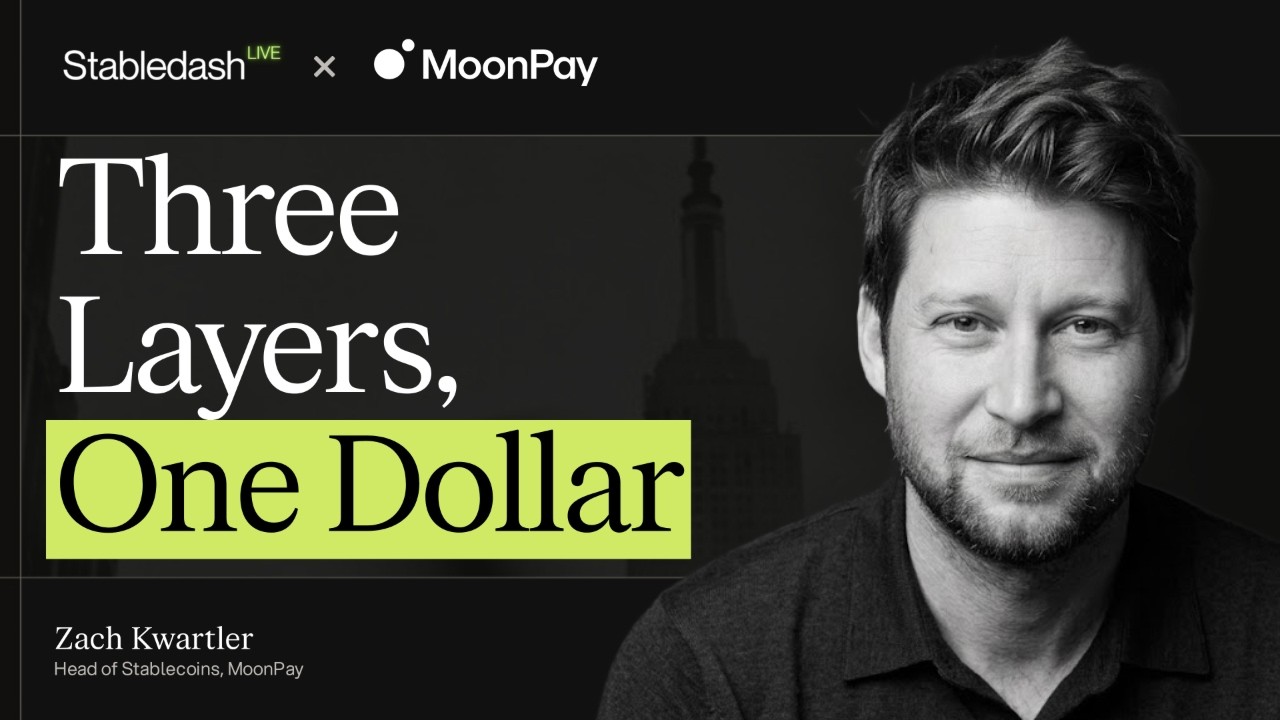
Stabledash Live · · 30 min
Why AI Agents Still Can't Make Payments and How MoonPay Plans to Fix It
With 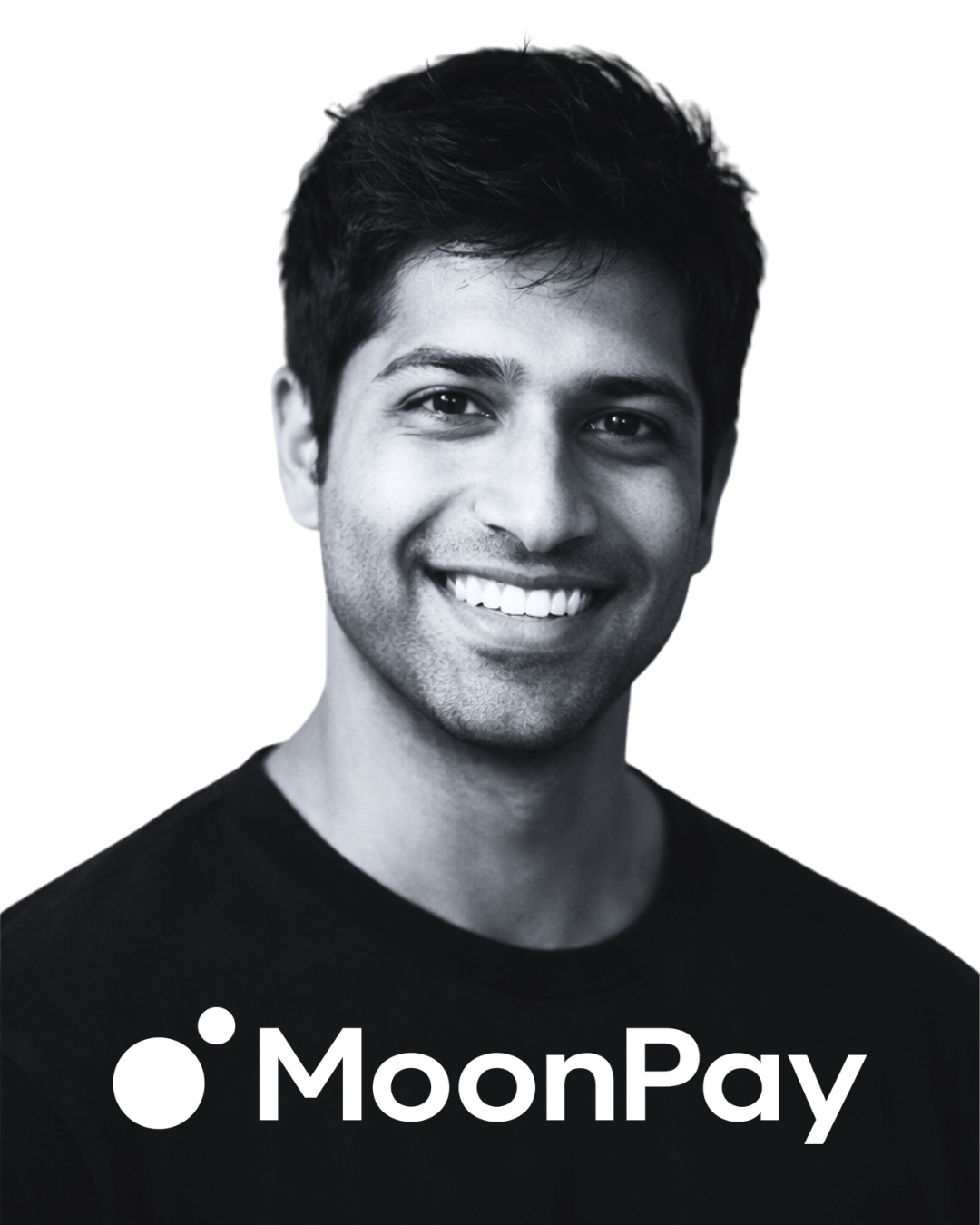 Neeraj Prasad
Key takeaways
MoonPay acquired Dawn Labs to integrate its agent payment capability into its global payments stack, and founder Neeraj Prasad is now MoonPay's chief engineer.
MoonPay is shipping the OpenWallet Standard as a shared wallet layer with a policy layer, plus the MoonPay Agents Card, a stablecoin debit card that spends from that wallet.
Neeraj Prasad says regulatory licensing keeps OpenAI and Anthropic from easily adding payment credentials, and names Stripe, Coinbase and MoonPay as the main players in agent payments.
Watch the episode

Summary
Dawn Labs founder Neeraj Prasad, now MoonPay's chief engineer, argues that letting agents hold payment credentials safely is the hard problem, and that licensing gives MoonPay an edge.
MoonPay has acquired Dawn Labs and plans to integrate the startup's capability into its global payments stack. Neeraj Prasad, the founder of Dawn Labs, has joined MoonPay as chief engineer. He says the harder problem in agent payments is not getting agents to pay, but "granting agents the payment credentials in the first place."
Acquisitions as strategy
Neeraj Prasad describes M&A as the way companies are pulling together resourcing, talent and infrastructure for vertical and horizontal expansion, and says MoonPay is "really, really killing it with that angle." He expects agents to become the main operators of finance, with exponential growth in on-chain agent payment protocols such as x402 and MPP by the end of the year or next year.
“ChatGPT or Claude mobile apps. I don't know how to give my payment credentials to either of those two apps. I think it's literally impossible right now.”
Neeraj PrasadA shared wallet with limits
Today, Prasad says, agent tools store a wallet in a file on a laptop, and the agent opens that file, reads the private key and executes the transaction, which he calls "really insecure." The OpenWallet Standard (OWS) is meant to replace that. It is the shared wallet layer behind the Dawn CLI and the MoonPay CLI, and services including Dawn, MoonPay, DFlow and Polymarket can access the same wallet.
Prasad says OpenWallet Standard solved "incredible wallet fragmentation" and adds a policy layer, for example a daily limit of a thousand dollars, to limit the surface area of attack. Money carries more risk than other areas where AI is applied, he argues, so it needs separate permissions and interfaces.
A card for agents
The MoonPay Agents Card is a stablecoin debit card that runs on an OWS wallet and spends directly from USDT. A browser agent can enter the card details on a merchant's checkout page with no input from the user. "Checkout pages are made for humans," Prasad says.
Why licensing matters
Prasad says he cannot give payment credentials to the ChatGPT or Claude mobile apps. He argues payments "can't be vibe coded" because being hacked is costly and money transmission licenses are required. Of his four moats, technical talent, capital, regulatory licensing and distribution, he says OpenAI and Anthropic can subsume businesses that rely only on talent. He says MoonPay has all four, and he names Stripe, Coinbase and MoonPay as the players that matter.
Alongside the products, MoonPay and Dawn are launching a trading competition on the Dawn CLI for nontechnical users, with about $7,500 in prizes. Prasad recommends that entrants use the Codex desktop app. In his telling, MoonPay is betting that licensing and distribution, not code alone, will decide who lets agents spend money.




MoonPay, OpenAI, Anthropic, and Polymarket come up most.
- People
- Neeraj Prasad
- Max von Wallenberg
- Companies
- MoonPay
- OpenAI
- Anthropic
- Polymarket
- OpenClaw
- Tempo
- Dawn Labs
- Coinbase
- Stripe
- Perplexity
- Tesla
- Waymo
- dFlow
- Dfns
- Hyperliquid