Stabledash Live · · 32 min
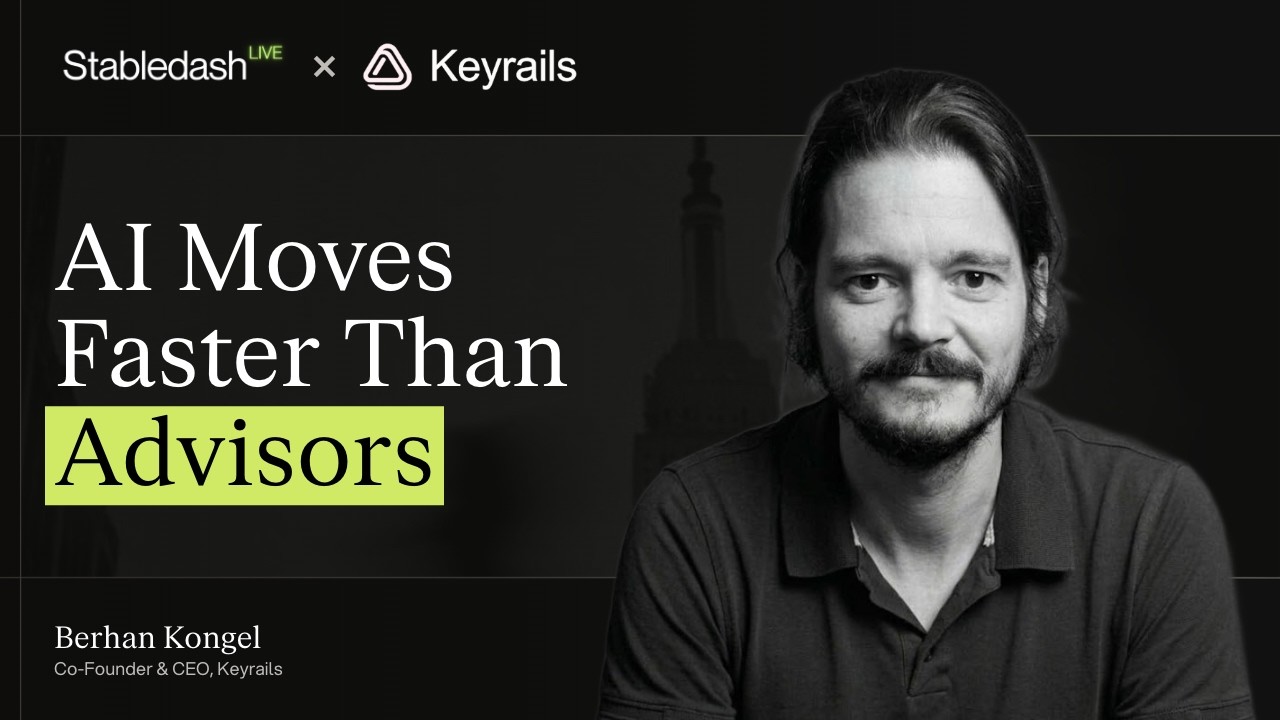
Trade Finance, AI Research and Investing, and Tokenized Collateral with Keyrails CEO Berhan Kongel
With 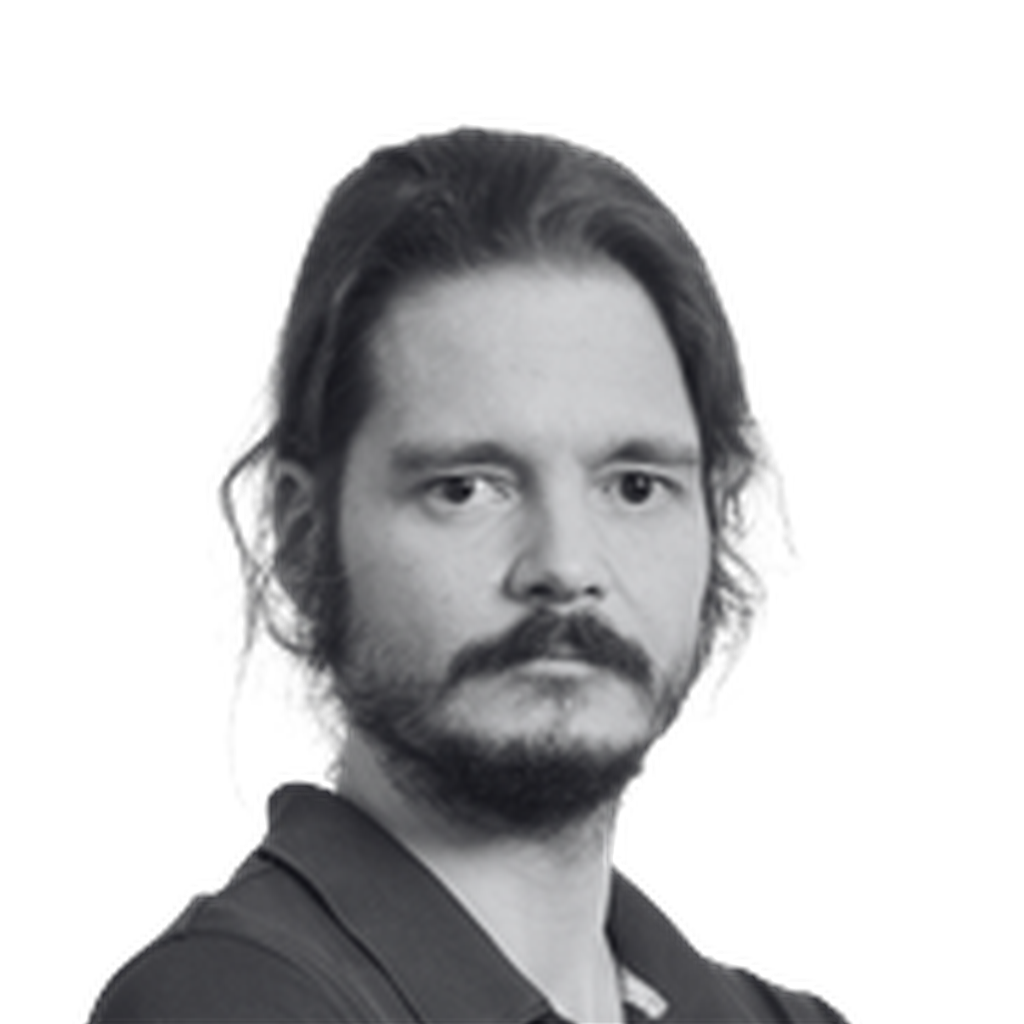 Berhan Kongel
Key takeaways
Keyrails says its stablecoin exposure moved from about 80% USDC to about 70% USDT after it launched a cross-chain, market-neutral swap function three to four months ago.
Berhan Kongel says Keyrails will offer white-labeled trade financing that can bring cost of capital down to 15% by using tokenized T-bill collateral.
Berhan Kongel argues agentic payments belong in treasury automation and autonomous investing, and says an AI agent built a SpaceX investment memo for $1.87.
Watch the episode
Summary
Keyrails CEO Berhan Kongel says stablecoin demand is growing in emerging markets, and that the real use for agentic payments is investing and treasury work, not buying coffee.
Keyrails, the stablecoin payment infrastructure company, has seen its stablecoin exposure go from about 80% USDC to about 70% USDT, according to co-founder and CEO Berhan Kongel. He links the change to a cross-chain swap function the company built three to four months ago.
Why the mix flipped
Berhan Kongel, who says he used to be "a USDC guy" at Arf, describes Circle as the more institutional option built around treasury yields. He says Tether USDt has very robust distribution and "massive penetration" in Africa, Latin America and South Asia.
He says the swap function is market neutral: Keyrails connects to several liquidity providers, picks the best price and passes all gains and losses to clients. The company charges 3 to 5 basis points for the entire payment. In one case, he says, a client paying two basis points gained from a three and a half basis point delta and came out 0.5 basis points ahead.
“That was the same thing with Bitcoin. The the entire narrative when I first started, like, to 2018 is what why can't I buy coffee with Bitcoin? Because that's not what it is for.”
Berhan KongelTrade financing as a service
Keyrails launched Stable OS 2.0 on May 13, supporting 75+ currencies through a single wire instruction. Kongel says the next step is white-labeled trade financing that fintechs and financial institutions can resell. He says the company is a SWIFT member with direct banking everywhere, and that clients can send and receive SWIFT payments from a USDT wallet without a bank account.
He points to a trade financing shortage in Africa of $140 billion a year, where rates can reach 15% per month. He says Keyrails pricing could be around 20 to 25%. With 80% of a facility held as collateral in T-bills earning another 5%, he says, cost of capital falls to 15%. Clients with a three-month trade history with the company would qualify.
Deeds as collateral
Kongel says the Dubai Land Department is tokenizing property deeds for fractional ownership, under full regulation. He expects a fraction of a Palm villa to secure a credit facility, because it can be sold on secondary markets "in five seconds if the secondary market is big enough."
Agents for analysis, not coffee
Berhan Kongel says an AI agent produced a SpaceX report that would take a top analyst two weeks, at a cost of $1.87. He compares the focus on retail agentic payments to the question he heard about Bitcoin by 2018: why it could not buy coffee. He expects agents to read secondary-market oracle pricing and act on it.
Kongel describes Keyrails as becoming an AI-native company, with AI used in its compliance, design and code. He says it is the only company doing this today, and he expects many more like it across different verticals within two years.




Tether, SWIFT, Circle, and SpaceX come up most.
- People
- Berhan Kongel
- Drew Rogers
- Companies
- Tether
- SWIFT
- Circle
- SpaceX
- Bank of America
- Bloomberg
- Dubai Land Department
- Aave
- ARF
- BlackRock
- Citadel
- Coinbase
- Maple
- Keyrails
- BNY Mellon
- Citi
- Dfns
- JPMorgan