Key takeaways
MetaMask has launched its metal MetaMask card in the United States, and Liz Bazurto says it offers up to 3% cash back.
Liz Bazurto calls it the first self-custody debit card, with no exchange account needed, and says DeFi users can borrow on Aave to use it almost like a credit card.
She says expansion will follow where data is viable, possibly including the Middle East, and that local trust matters more than translation in emerging markets.
Watch the episode

Summary
Liz Bazurto pitches the card as the first self-custody debit card and says trust, not translation, decides how it spreads into markets like Latin America.
MetaMask has launched the metal version of the MetaMask card in the United States. Liz Bazurto says the card offers up to 3% cash back. It launched a couple of weeks ago, and anyone can now order one.
Self-custody as the pitch
Liz Bazurto says the MetaMask card is "the first self custody in debit card in reality," and notes that other cards have required an account on an exchange. She says a delegation framework lets users choose how much the card can spend, which also protects them if someone else gets access to their information.
For people who know DeFi, she describes a way to make the debit card work almost like a credit card: put Ethereum up as collateral on Aave, then spend the USDC that Aave issues through the card.
“It's not a matter of just translation. That is not the issue that these companies are facing, but it's a cultural it's a lack of cultural understanding.”
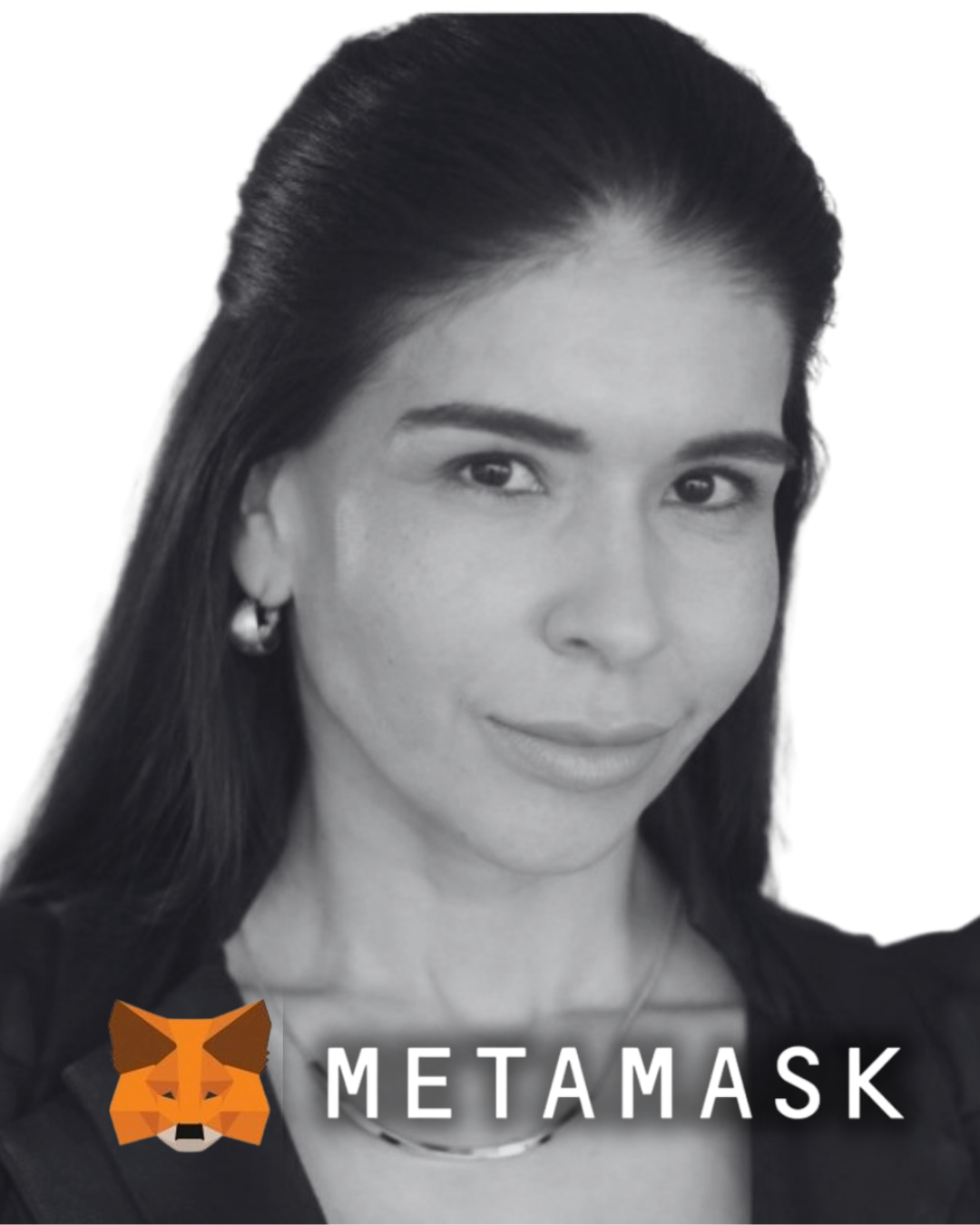 Liz Bazurto
Partners and networks
MetaMask worked with Arculus and Composecure on the metal card and has a partnership with Mastercard. Linea was the first network integrated, and Base and Solana went live last November, around DevConnect.
Liz Bazurto sees the card as one piece of a larger product set, alongside the wallet and MetaMask USD, the stablecoin issued with M0. "That kind of synergy is what works ultimately," she says.
Two kinds of users
Liz Bazurto says US users are more willing to pay a premium for benefits, while people in regions like Latin America actually need the product. She points to currencies there that are "devaluing a 100% every single day."
Lessons from Latin America
Liz Bazurto says local companies in Latin America usually get far more traction than outside entrants offering the same thing. The problem foreign companies face, she says, is a lack of cultural understanding, not translation. She cites Nubank, where word of mouth was the most important strategy.
What comes next
Liz Bazurto expects the MetaMask card program to reach more regions, possibly including countries in the Middle East, and says the focus is on places where data is viable, with campaigns tied to them. She also says Daniel Lynch, who started the card product, has left for a new role at Aave.
MetaMask is pitching the MetaMask card on self-custody and a combined setup of wallet, stablecoin and card. Liz Bazurto says its growth outside the US will depend on earning local trust.




MetaMask, Aave, Coinbase, and Arculus come up most.
- People
- Liz Bazurto
- Daniel Lynch
- Drew Rogers
- Companies
- MetaMask
- Aave
- Coinbase
- Arculus
- Mastercard
- Carda
- El Dorado
- EtherFi
- Compose Secure
- M0
- Nubank
- Consensys
- Dfns