Stabledash Live · · 15 min
Stablecoin Fragmentation, Money Is Plural, and Why Interoperability Changes Everything
With 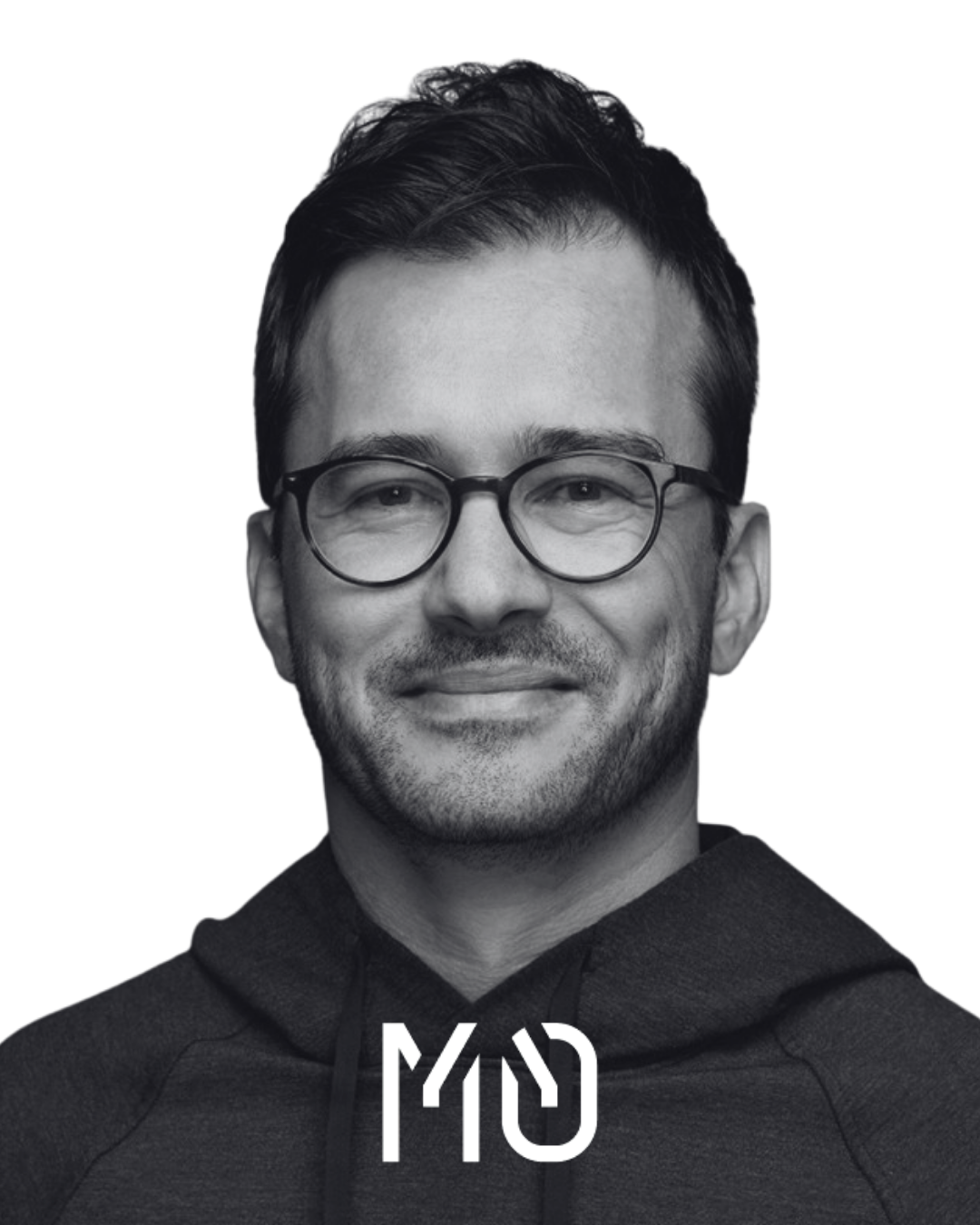 Joao Reginatto, M0
Key takeaways
Joao Reginatto of M0 says fragmentation is not the problem in stablecoins; the lack of interoperability technology is.
He says users gravitate to USDC and Tether's USDT because they are interoperable by default, producing a concentration he calls problematic.
M0 sells issuance technology to issuers such as MoonPay, OneMoney and Bridge, plus a common standard that brands like MetaMask and Exodus build on.
Watch the episode

Summary
Joao Reginatto argues that the market's concentration around USDC and USDT comes from weak interoperability, and pitches M0 as a shared standard for branded stablecoins.
Joao Reginatto, Chief Strategy Officer at M0, says the stablecoin industry should stop treating fragmentation as an evil thing. In his view, the real gap is interoperability technology, and its absence has pushed the market toward a few dominant tokens.
Money was always plural
Reginatto points to commercial banking as precedent. Dollars held at JPMorgan Chase and dollars held at SVB three years ago "are not the same dollars," he says, because they carry different risk. Fragmentation itself, he argues, only looks like a problem because stablecoins lack good interoperability tech.
He compares the fix to cars, where wheel and chassis dimensions are standardized: open standards and interop let fragmentation exist without harm.
“Trading is kind of a poor man's approach to interop. It's not really good. Trading is very cost inefficient, it's very capital intensive.”
Joao ReginattoTrading as a stand-in
Today, Reginatto says, trading fills the gap, which he calls "a poor man's approach to interop" that is cost inefficient and capital intensive. The result is a pull toward USDC and Tether's USDT, since using them makes holders interoperable with other use cases. He says no one, given the choice, would opt for a duopoly owning the digital form of money for an industry.
A two-sided platform
Reginatto describes M0 as a two-sided platform. On one side it sells an issuance stack used by MoonPay, OneMoney and Bridge. On the other, brands such as MetaMask and Exodus build from a common set of functionality, so software across M0-powered issuers can "understand" each other's stablecoins.
He also notes that convenience leads some companies to choose one provider for five capabilities, even at higher cost, a dynamic regulators describe as having "one neck to choke."
Regulation and yield
Reginatto says regulation so far has focused on issuance, not the interoperability layer M0 runs. With the GENIUS Act passed, he says the US position is much better than two years ago. On the Clarity Act, his main interest is yield distribution, since monetizing customer balances is partly why brands issue their own stablecoins.
Reginatto expects regulators, who he says like competition, to favor interoperability over a duopolistic market. He does not see that as a short-term outcome: a lot of technology still has to be built before M0 and others can show regulators how that world could work.



JPMorgan Chase, Tesla, Bridge, and Exodus come up most.
- People
- Joao Reginatto
- Luca
- Tony
- Tesla
- Companies
- JPMorgan Chase
- Tesla
- Bridge
- Exodus
- MetaMask
- MoonPay
- OneMoney
- SVB
- Bank of America
- M0
- Tether
- Federal Reserve
- Circle
- Dfns
Ask AI about this conversation
M0