Stabledash Live · · 26 min
MoneyLion's Founder on Chartering a National Bank With Blockchain in the Core
With 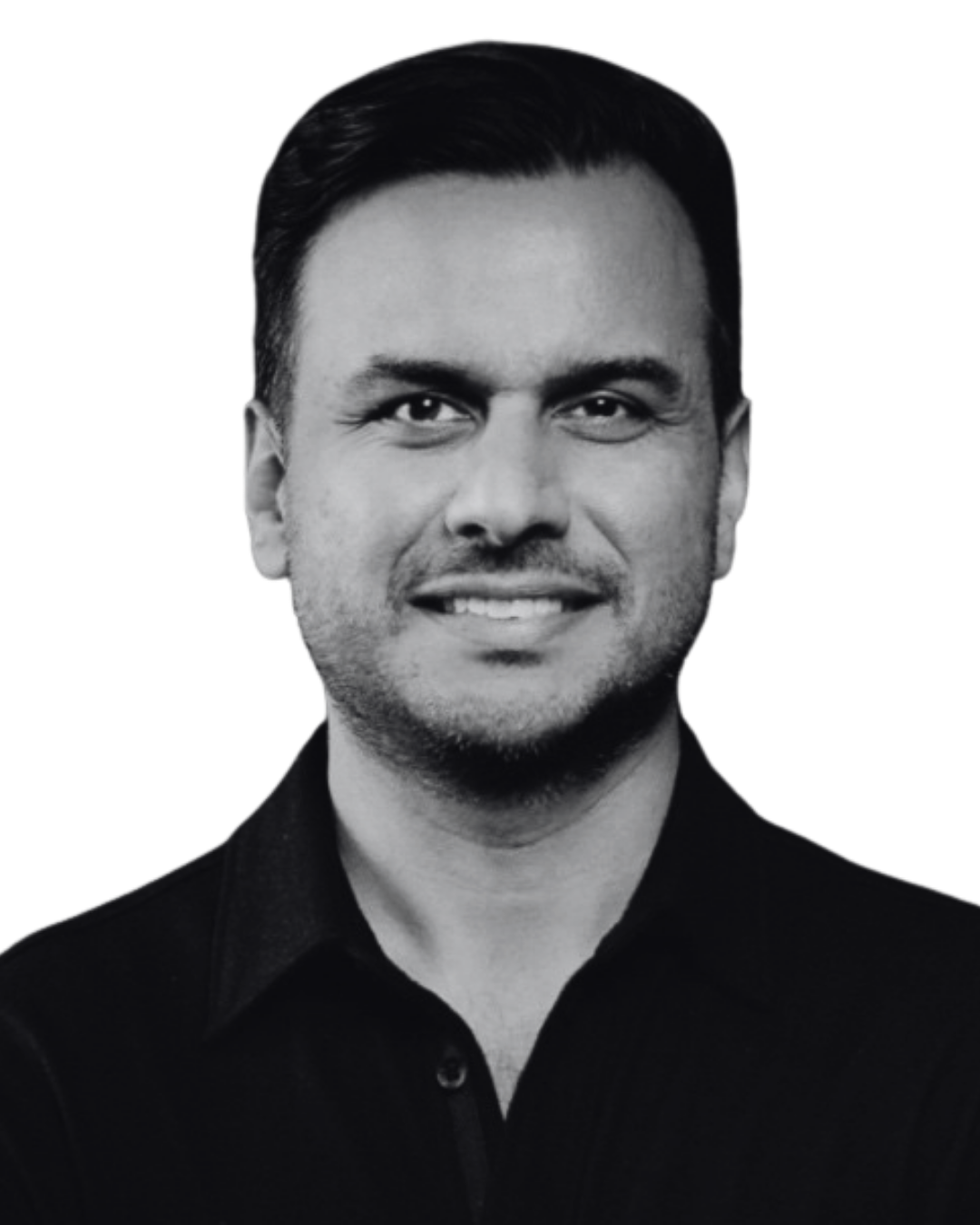 Dee Choubey
Key takeaways
OpenReserve has raised a $25M seed round led by a16z.
Dee Choubey says the OCC granted OpenReserve conditional approval to form a national bank, and he is targeting early 2027 to be in market and taking clients.
Dee Choubey argues that fintechs relying on partner banks are bound by layers of governance, and that blockchain now makes it possible to modernize the banking stack.
Watch the episode

Summary
The former MoneyLion CEO says owning a national bank charter, rather than renting a partner bank, lets him rebuild banking on blockchain rails.
OpenReserve, the new bank started by former MoneyLion chief Dee Choubey, has raised a $25M seed round led by a16z. The raise comes after the OCC granted the company conditional approval to form OpenReserve Bank, following what Choubey called a rigorous review.
From MoneyLion to a charter
Dee Choubey says he ran MoneyLion as a public company CEO for four and a half years before selling it to Gen Digital, a deal that closed in 2025. He says the logic was that Gen Digital had 100,000,000 consumers in the US who could benefit from MoneyLion's features. He says the app was the number one finance app for many weeks and passed 25,000,000 downloads.
After some time off, Choubey says, he and his co-founders filed a national bank charter application for OpenReserve on April 14.
“I would the one piece of advice I would give is make sure you're properly capitalized and make sure that, you know, you're not necessarily taking shortcuts or cutting corners on, you know, being at least parity at least parity with the middle with the median bank, if you will, out there”
Dee ChoubeyWhy not a partner bank
Dee Choubey says that as a fintech, MoneyLion was beholden to two or three layers of governance, with the partner bank's roadmap deciding which lending, savings or credit card products it could offer. He puts MoneyLion in the same group as SoFi and Chime and says that model makes certain things hard. With blockchain now usable in the banking technology spine, he sees an opportunity to modernize that three or four layered stack.
What OpenReserve is building
Dee Choubey says OpenReserve will serve both direct-to-consumer and B2B use cases, and that clients use its 600 endpoints and APIs. He describes a forward deployed banking model, with client teams made up of engineers along with tax and legal staff. The company is also seeking a broker-dealer license, which he calls an important regulatory perimeter for what he calls continuous banking.
He also says US consumers are getting used to agentic tools such as ChatGPT, Anthropic and Perplexity as the first way they manage their lives.
Timeline and advice
Dee Choubey expects legal and regulatory work to be done by the end of 2026, with early 2027 as the target for OpenReserve to be in market. His advice to neobank founders: be properly capitalized and avoid cutting corners, keeping at least parity with the median bank.
With a seed round, a conditional charter and a broker-dealer license in process, OpenReserve is the next step in what Dee Choubey calls his thirteen years of building in this space. His plan is to own the regulated layer that, in his account, held back the last generation of fintechs.


MoneyLion, FDIC, OCC, and Federal Reserve come up most.
- People
- Dee Choubey
- Ben Yaff
- MrBeast
- Sinclair
- Zach Fowler
- Companies
- MoneyLion
- FDIC
- OCC
- Federal Reserve
- Gen Digital
- Anthropic
- Chime
- Citadel
- Goldman Sachs
- Instinct
- Mastercard
- MuralPay
- NASCAR
- Perplexity
- Rockbot
- Salesforce
- SoFi
- OpenReserve
- a16z crypto
- Visa Ventures