Research · · 25 min
The Stablecoin App Your Paycheck Lands In: Morse After the Sling Money Rebrand
With 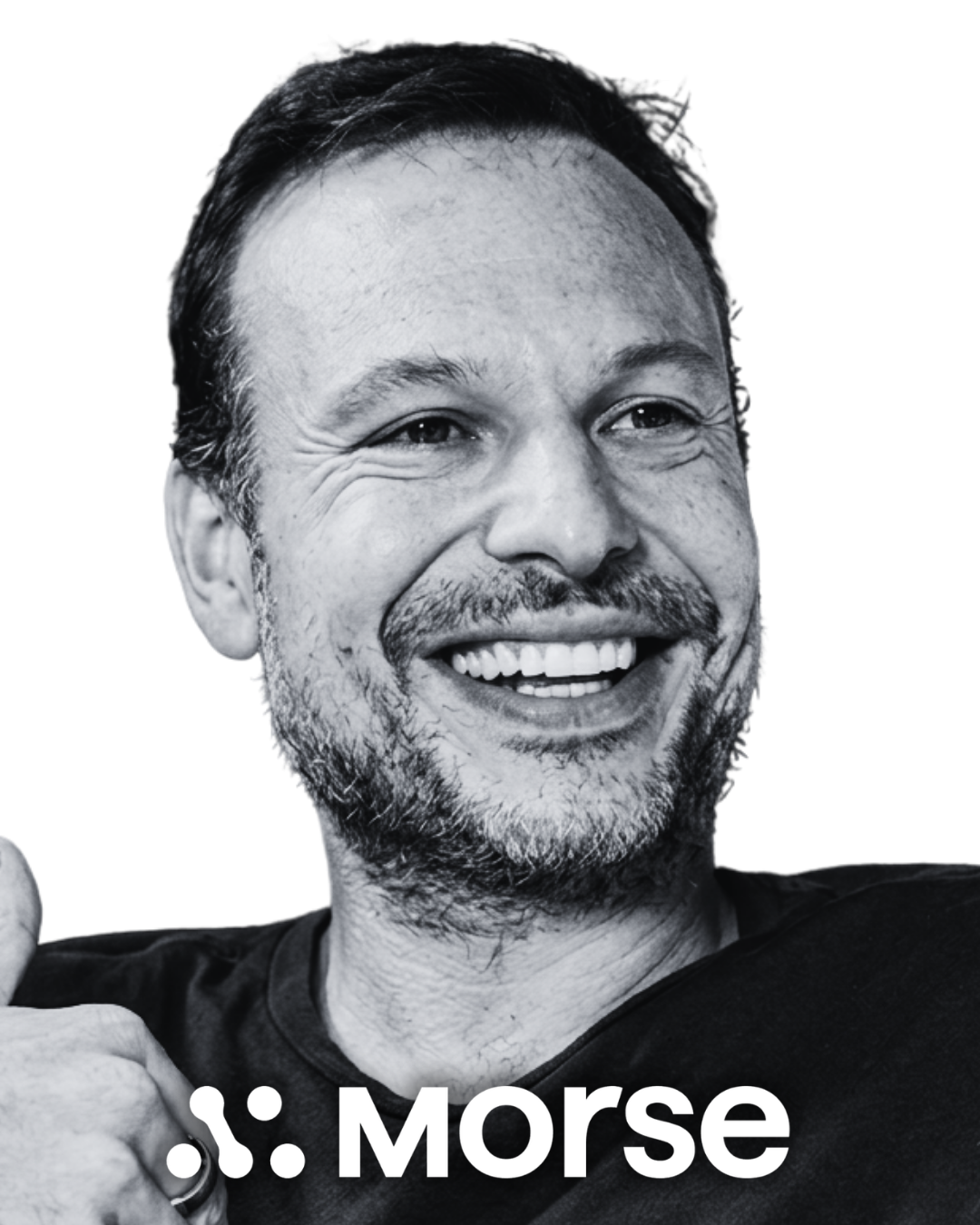 Mike Hudack
Key takeaways
Morse, formerly Sling Money, has salaried users in Indonesia, Africa and Latin America, with a particular focus on Latin America, according to CEO Mike Hudack.
Morse now offers salary deposits, U.S. equities, card spending, bill pay and yield, and Hudack says it targets normal cross-border earners rather than crypto or stablecoin people.
Hudack expects FX revenue to go to zero or next to zero over ten, twenty or thirty years, so Morse prices for scale and the full user relationship.
Watch the episode

0:00Sling Money became Morse as it grew into a bank1 of 8
Summary
CEO Mike Hudack says the former peer-to-peer transfer app is now a self-custodial stablecoin bank built for ordinary cross-border earners, not crypto users.
Morse, the rebranded Sling Money, has salaried users in Indonesia, Africa and Latin America, co-founder and CEO Mike Hudack said, adding that the company has "a focus particularly on Latin America." He calls the product a self-custodial stablecoin bank.
From transfers to a bank
Hudack says Morse moved from a "monoline" peer-to-peer product to one where people around the world get their salaries deposited, and that the closest analogy is a bank. The name Sling, he says, felt very light for that. In the last six months, he says, the company shipped salary deposits, U.S. equities, card spending, bill pay and yield, so users can treat it practically as their only financial app.
Much of the Morse team previously worked at Monzo in the UK, where Hudack says they spent time converting users from treating it as a travel card to using it as a bank. He says the company also built deep infrastructure early, including how key management and transactions should work.
“We're targeting normal people who happen to work cross border or have family in another country or whatever. We're not targeting crypto people. We're not targeting stablecoin people.”
Mike HudackNormal people, not crypto people
Hudack says Morse targets people who work cross border or have family in another country, not crypto or stablecoin people. Its users do not want on-chain perps, he says: "that's just not who they are."
Pricing for an FX-free future
Hudack believes FX as a revenue line item is going to zero or next to zero; the open question, he says, is whether that takes ten, twenty or thirty years. Morse is "not in the business of short term revenue maximization," he says, and focuses on the full relationship with the user and what they want to pay for.
A high bar for yield
Morse asks whether a product would keep working if Bitcoin dropped by 50% tomorrow, and whether people want and trust it, Hudack says. Users want yield in both dollars and local currency, he says, noting local currency can pay 8% or 10% in many places while the dollar pays three or four.
Morse offers fewer features in New York because of NYDFS rules, according to the company. Hudack says on-chain FX needs more development and liquidity, particularly for emerging market currencies.
Hudack describes Morse as a bank-like app for cross-border earners that puts scale ahead of FX revenue and screens products hard. His message to other builders is to solve real problems responsibly, because the whole industry deals with the fallout of reckless products.




Morse, Monzo, Meta, and Morpho Labs come up most.
- People
- Mike Hudack
- Borja
- Dave Taylor
- Drew Rogers
- Zach Fowler
- Companies
- Morse
- Monzo
- Meta
- Morpho Labs
- Tempo
- Sling Money
- Central Bank of Brazil
- Dfns
- Hopnow
- Robinhood Markets


