Research · · 44 min
David Taylor and Borja Neira on Brazil's Caps, Dollarization, and Local Currency Stablecoins
With 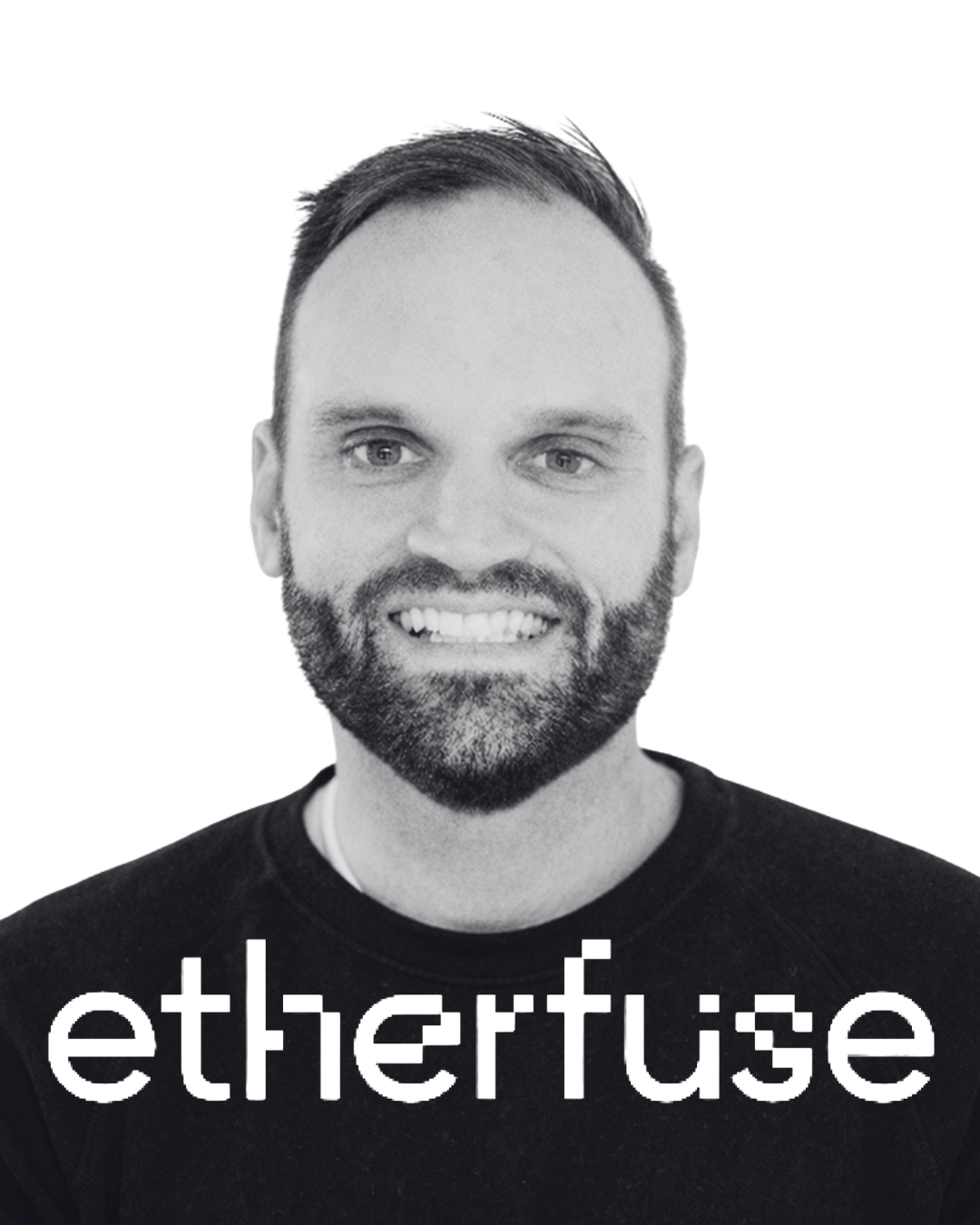 David Taylor
Key takeaways
Drew Rogers says Brazil's IOF tax charges 350 basis points on money leaving through traditional rails, and that stablecoins avoid it entirely.
Borja Neira warns that broad access to dollar stablecoins helps individuals but raises the question of what happens to the economy as a collective.
Drew Rogers says Etherfuse offers tokenized sovereign debt as an incentive to hold local currency and expects collateral to be the first step toward wider non-dollar use.
Watch the episode

0:00Brazil's stablecoin caps show countries defending against capital flight1 of 11
Summary
Brazil's tax on money leaving the country drove the stablecoin boom, and now its regulators are adding caps. The guests argue that local currency assets need real reasons to hold them if they are to compete with the dollar.
Brazil's IOF tax costs 350 basis points on dollars moved out of the country through traditional rails, Drew Rogers said in a conversation with David Taylor of Etherfuse and Borja Neira of Tempo. Sending the same money as stablecoins avoids the tax completely, which Rogers calls a regulatory arbitrage.
Why Brazil, not Mexico
Drew Rogers says Brazil's stablecoin volumes have been exploding for the last four years, with startups and capital following. Mexico has seen much less of that, he says, because its remittance channel is already very efficient. In his view traditional finance works well for large transfers but badly for individuals, who can end up paying as much as 700 bips in fees.
“The currency is not only one thing, but it's a bundle of things.”
Caps and holds
Brazil has responded. Drew Rogers cites a $10,000 cap on transaction size and caps of $25,000 on volumes for virtual asset service providers, and David Taylor points to the central bank's plan for twenty-four hour holds on large dollar stablecoin transfers. Rogers traces this kind of thinking to Europe's MiCA, which put transaction limits on stablecoins not denominated in euros, and calls Brazil the first non-Western country to seriously try to level the playing field.
The central bank's dilemma
Borja Neira says the individual can benefit from access to dollar stablecoins, but asks what happens to the economy as a whole. Europe is pushing to launch CBDCs as soon as possible, he says, while emerging market banks often lack a good core banking system. They must choose between supporting stablecoin issuance and alternatives such as CBDCs, and smaller banks would rather trust JPMorgan than a stablecoin.
Giving local currency a reason
Drew Rogers says that when people can hold any asset, they choose the safest one. Etherfuse's answer is sovereign debt, which gives people an incentive to hold local currency instead of dollars. David Taylor says he built the company on the idea that local currency worth holding makes on and off ramps good for the local economy. Rogers says lending in USDT or USDC puts a burden on local borrowers, and that large exchanges are already holding Etherfuse assets offshore as collateral.
Drew Rogers expects growth to start wherever people have an incentive to get around traditional finance, naming Russia, China and the Middle East. He sees no one building a sophisticated solution for local currency stablecoins. He hints at a big announcement with a large institution and names Etherfuse as a design partner for Barrel's ION protocol. David Taylor expects a pilot that pays gas in a local currency stablecoin.




Tempo, Etherfuse, Arrakis, and JPMorgan come up most.
- People
- Borja Neira
- David Taylor
- Drew Rogers
- Zach Fowler
- Companies
- Tempo
- Etherfuse
- Arrakis
- JPMorgan
- Morgan Stanley
- Solana Foundation
- Blast
- Ethereum Foundation
- Hopnow
- Hyundai
- Meta
- Tether
- Barrel
- Circle
- Dfns


