Incline · · 25 min
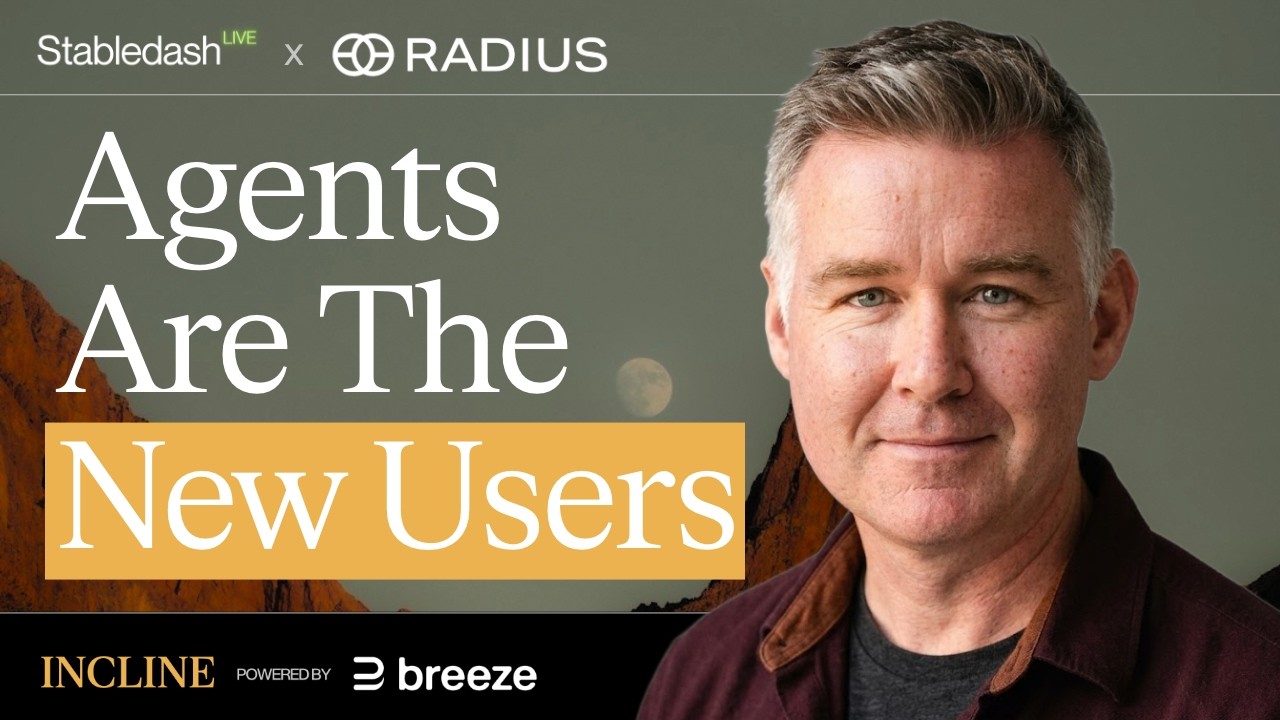
Why AI Agents Need Guardrails: Ade Adepoju on Latch and Agentic Stablecoin Payments
With 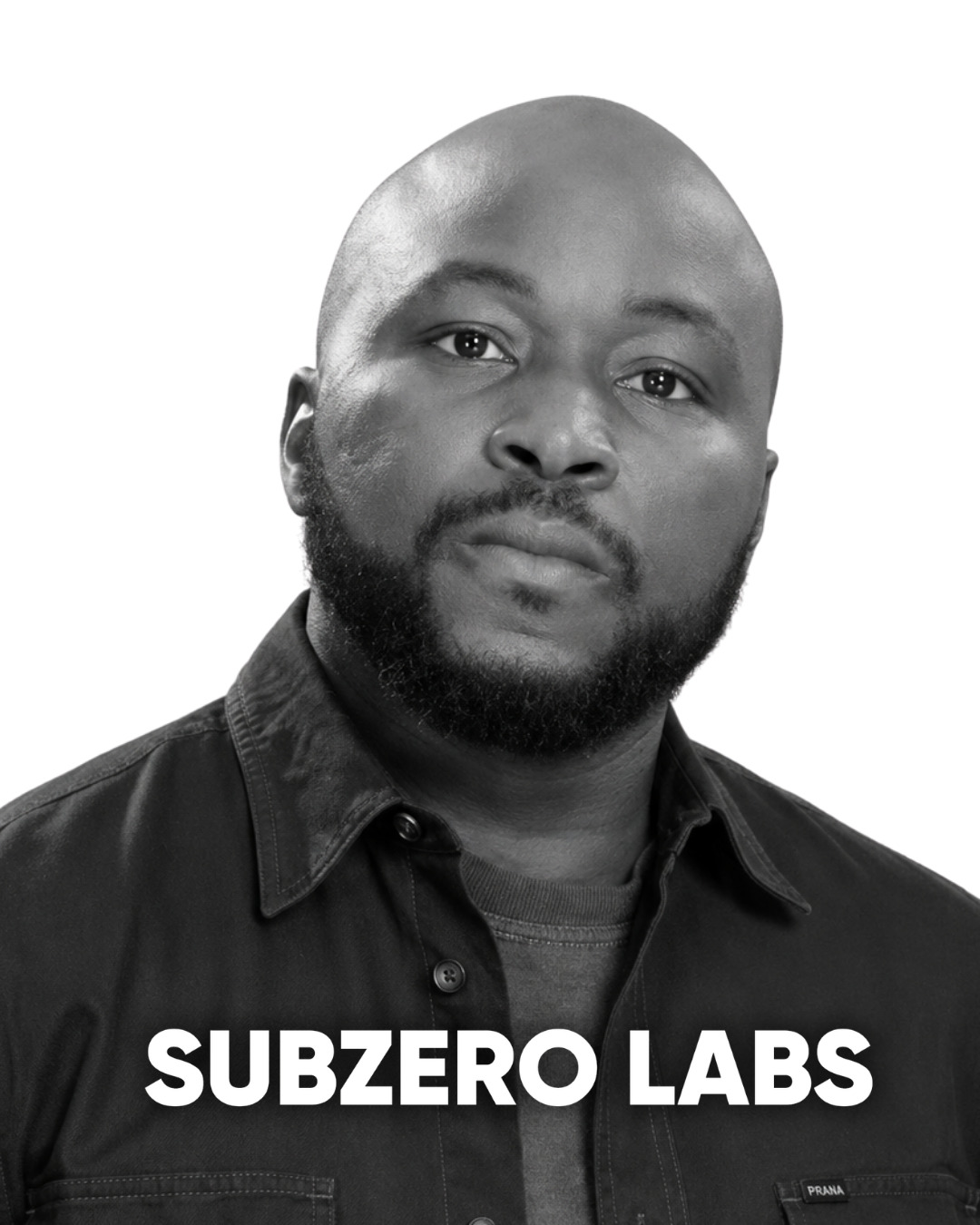 Ade Adepoju
Key takeaways
Subzero Labs raised a $20 million seed led by Pantera, with Coinbase Ventures, Variant, Susquehanna, Hashed and Mysten Labs participating.
Ade Adepoju says Latch, which puts guardrails on agent payments, actions and spend, has a waitlist of about 23,000 people.
Adepoju says Latch runs its checks at the hardware level because software is getting poisoned every day.
Watch the episode

Summary
Ade Adepoju argues that AI agents handling money need hardware-level checks that block them before they spend, not software that flags them afterwards.
Subzero Labs raised a $20 million seed led by Pantera, with Coinbase Ventures, Variant, Susquehanna, Hashed and Mysten Labs participating. In an interview, co-founder Ade Adepoju said the company's guardrail product for AI agents, Latch, has a waitlist of about 23,000 people, and that people are already testing it.
Agents nobody can see
Ade Adepoju says Latch uses blockchain properties to put guardrails around agents for payments, actions and spend. He puts the ratio inside companies at one human to 45 agents, and says nobody actually knows what those agents are doing behind the scenes.
He calls the current shift "the bad trade": companies switch out employees because their token spend is high, replacing people they can manage and understand with something they cannot understand or manage.
“Software is getting poisoned every day . So even though you may see some implementations to do it in software , you cannot always get guaranteed that the software is doing what it says is supposed to do .”
Ade AdepojuChecks in hardware
Ade Adepoju says Latch does its checks at the hardware level because software cannot be guaranteed to do what it says. He says others have tried this in pure software and that backdoors made it fail, calling his approach probably the only secure one he knows of. Its machine-bound identity approves a machine instead of a person or agent, so a leaked key only works from the owner's laptop. He says the recent GitHub exploits were a credential leak problem this could have mitigated.
Blocked before spending
Adepoju says tools like Ramp and Brex act after the fact, while Latch moves enforcement into the code layer, so an agent is told it is not allowed to spend before it does. Subzero Labs also uses it internally to manage token spend. He says regulated sectors like healthcare avoid agents because agents can push them out of compliance too easily, and that Latch enables continuous compliance.
Built on Rialo
Ade Adepoju was one of the earliest employees at Mysten Labs, where he helped build Sui. Latch is powered by Rialo, whose thesis he describes as simplifying the stack and making APIs a primitive so smart contracts can talk directly to Web2 services and trigger payments. "Don't come to crypto. Let crypto come to you," he says.
What comes next
Adepoju says partners co-designing the product will be named over the next few weeks, and that a gamified compliance product modeled on car racing is coming soon. Drew Rogers suggested he connect with Arculus for hardware-based signing, saying its owner Compose Secure produces about 95% of the world's metal credit and debit cards.
Ade Adepoju is betting that hardware roots of trust will become required for agent payments. He says this is the next way agents that handle real money will have to be governed. "Otherwise, it just becomes dangerous."


GitHub, Arculus, Breeze, and Brex come up most.
- People
- Ade Adepoju
- Drew Rogers
- Adam Lowe
- Zach Fowler
- Sam Altman
- Companies
- GitHub
- Arculus
- Breeze
- Brex
- Ramp
- Tempo
- Chainlink
- LayerZero
- OpenAI
- Subzero Labs
- Mysten Labs
- Compose Secure
- Coinbase Ventures
- Hashed
- Pantera
- Susquehanna
- Variant
- AMD
- Dell
- Dfns
- Netflix